

In the West, many girls grow up dreaming of becoming a princess, dancing in living rooms in Cinderella dresses. For many girls and women in the U.S. who’ve been trafficked into prostitution, this was how things began before turning into sullied dreams.
In South Asia, however, becoming a princess was never part of the hopes or dreams of most girls from rural villages and urban slums. Their reality and future begin so low that, when and if trafficking happens, it’s a step even lower than where they started.
“As an American girl, even in most circumstances, you at least had some dream at one point of your life of being a princess. Maybe that got squished,” International Mission Board missionary Carlie Blyth said. “No girls here in this socioeconomic world ever imagined that they would get to be a princess.”
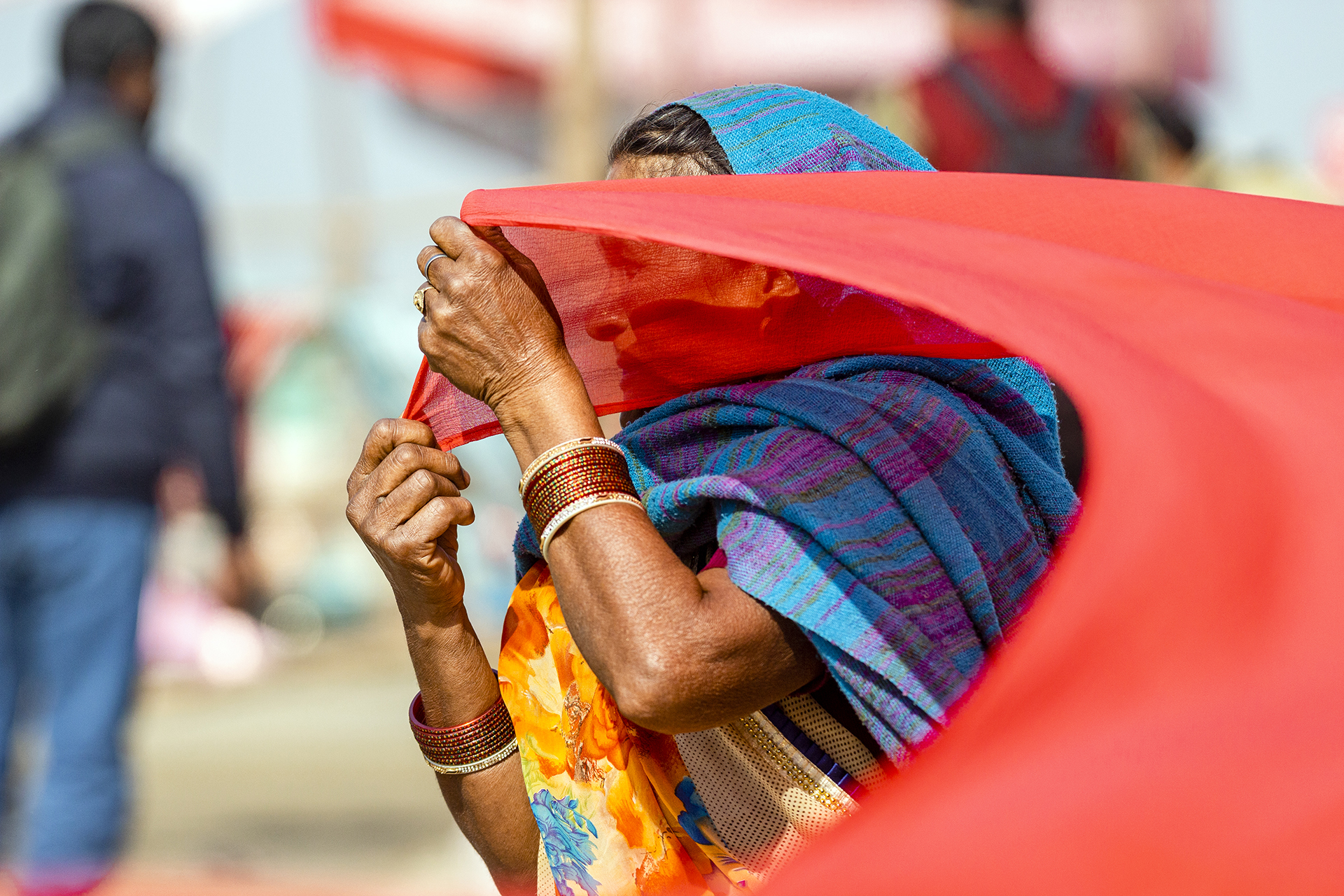
Women across South Asia are trafficked into red-light districts, some unknowingly by their parents who think they are going to work in a factory, others by men who marry them with the intention of selling them and others by their husbands who tire of them. IMB Photo
Since the day Blyth arrived, first as a short-term missionary, ministering to women in the red-light district has been her passion. She shares with them that they are fearfully and wonderfully made, those found in Christ have an inheritance in heaven and that there is a King who loves them.
In impoverished villages, traffickers, who are often women, target vulnerable families with false promises of jobs for their daughters. Many girls are taken to cities, sold into prostitution, burdened with debt and threatened if they try to escape. Child marriage is also used as a means of trafficking.
“It’s so hard to wrap your mind around. Honestly, the depths of depravity of things in this region…” Blyth trails off. “I know that depravity is everywhere, but I really feel that the idol worship here really hardens hearts, and it makes people so enamored of the darkness and numb to any kind of compassion and conviction.
“That manifests itself in a lot of ways here, but one way very clearly is in the sex-trafficking practices,” she continued.
Blyth said she and her husband, Will, discovered a gap among people trying to get the gospel to the women. Non-governmental organizations (NGOs) are rescuing and rehabilitating them, but the gospel was not consistently being shared.
Blyth’s South Asian ministry partner, Anvi, has a passion for helping both the women and the children of trafficked women. Anvi and her husband, Reyansh, had a vision to plant a church among the women.
In 2021, they began renting a room in the red-light district to begin meeting with women for weekly prayer meetings.
In the last three years, nine women have left prostitution because of Christ’s redeeming love.
“They left not just for a new job,” Blyth said. “Because of Jesus, they wanted to leave that area.”
Blyth continued, “They have to leave everything when they follow Christ, so it’s a really hard decision for them to make. But once they make it, it’s so much more life-altering than for a typical person who says they want to follow the Lord. It’s cool for us who get to work with them because they’re super sold out to the Lord, which is amazing.”

International Mission Board missionary Carlie Blyth hosts weekly prayer meetings and yearly retreats for women who work in the red-light district. She has witnessed nine women commit their lives to Christ. IMB Photo
The ministry team hosts annual camps for the women and, this year, a Vacation Bible School for the children of red-light district workers. For the past two years, volunteers from Florida have traveled to help with camps. In April, three believers from Panama joined the volunteers, sharing Bible stories, performing skits and teaching crafts.
At the yearly women’s camps, attendees gather for worship, teaching from the Word, fellowship and skits. The women love to play games like musical chairs because none of them had a proper childhood. In the evenings, they gather for prayer times filled with fervent intercession. Blyth said the Holy Spirit moves powerfully during these meetings, and women often weep.
Three years ago, 50 women attended the inaugural camp. Two women committed their lives to Christ and left the red-light district. After last year’s camp, three women professed Jesus as King and walked away from prostitution. At this year’s camp, three more decided to make Jesus their Lord and leave the profession.
These women leave, trusting that God will take care of them.
Send Relief funds made it possible to open a halfway house where the women receive job-skills training. They are also discipled and trained how to share the gospel and make disciples. Some of the women are eager to learn, others wonder whether they are worthy of doing so.
Prasana is one of the women who committed her life to Christ at the camp. She was brought to the red-light district 15 years ago by her husband.
Because of her beauty, Prasana had many customers. She attended the prayer meetings Blyth and her national partners hosted, and every time she would cry and say, “I need to leave this place.”
But for seven years, she never did. Blyth thought Prasana would never actually leave, but Anvi never wavered in her belief that they needed to keep helping her embrace Christ.
Prasana’s adult son was involved in car wreck that killed someone. This happened while Prasana was attending a camp.

Women who’ve left the red-light district to follow Christ often doubt that they are worthy to be God’s ambassador. International Mission Board missionary Carlie Blyth and her national partners share with them that they are fearfully and wonderfully made, and they are called to share Christ’s freedom. IMB Photo
During a prayer meeting at the camp, Prasana surrendered her life to the Lord.
“I just want to be Yours, and I want to follow You only. I don’t know how to fix any of this, but I do know that You’re real, and I can’t keep living like this,” Prasana prayed.
When Prasana left the red-light district, she was still worried about her son. She considered saving money to pay a bribe. She repeatedly expressed her fears to Anvi and Rayansh, and they continued praying with her.
A pastor housed in the same jail as her son shared the gospel with him, and he committed his life to Christ. The two had many opportunities to study the Bible together while incarcerated.
Prasana admitted that she had tried so hard to fix everything herself, and although she had shared the gospel with her son, it had all come to nothing.
“The Lord powerfully proved to her, ‘I’m doing something better than what you think,’” Blyth said. “She really received that as a gift from the Lord. It changed so much for her and her growth in Christ.”
Another woman, Nabina, made the decision to follow Jesus. Though they are not biological sisters, Prasana and Nabina call each other “sisters” because of all they have been through together and because they are from the same village. They are currently living in the halfway house.
“Jesus can’t, He won’t, let us stay there anymore, and now we need to follow the Lord,” Prasana and Nabina said.
Prasana and Nabina want to learn everything they can about church planting so they can start a new work in the village where they were trafficked.
Blyth believes that in 2027 the women will return to their village with the sewing and tailoring skills they’ve learned and begin planting a church.
“We know some ladies who legitimately thank God that they were sex-trafficked because they came to know who Jesus is through it,” Blyth said.
She said she is blown away when she hears women express this sentiment.
“Even though there is so much hopelessness, there’s also so much joy in this work because we get to see people transformed,” Blyth said.
Through Blyth, Anvi and Reyansh’s witness, women are learning they are daughters of the King — an earthly title greater than any girl could imagine.
Names were changed for security.