Search: Persian

A woman holds her son during a Nowruz festival in Western Europe. Nowruz, the Persian New Year, showcases the rich cultural tapestry of Central Asian communities. Families traveled long distances through perilous environments to find safe harbors in European countries. Many women, like Anahita, experienced multiple levels of trauma on the journey. IMB Photo

Download Options
Small Low resolution for screen
Large High resolution for print
Usage Rights & Citation:

You are free to share and adapt IMB photos. You must give appropriate credit to IMB in a reasonable manner, but not in a way that suggests the organization endorses you or your use. You may not use the material for commercial purposes. Read more

Women link arms as they walk in a parade for Nowruz, a festival marking the Persian New Year. This festival holds deep significance for them, symbolizing renewal, hope and resistance against oppression — a theme that resonates strongly among Central Asians, given their history of struggle for autonomy. Fresta Aziz ministers to refugee women from Central Asia, many of whom experienced trauma in their journey to Europe. Freshta shares the hope that’s found in God and the strength the Lord gives to His people. IMB Photo
Download Options
Small Low resolution for screen
Large High resolution for print
Usage Rights & Citation:

You are free to share and adapt IMB photos. You must give appropriate credit to IMB in a reasonable manner, but not in a way that suggests the organization endorses you or your use. You may not use the material for commercial purposes. Read more

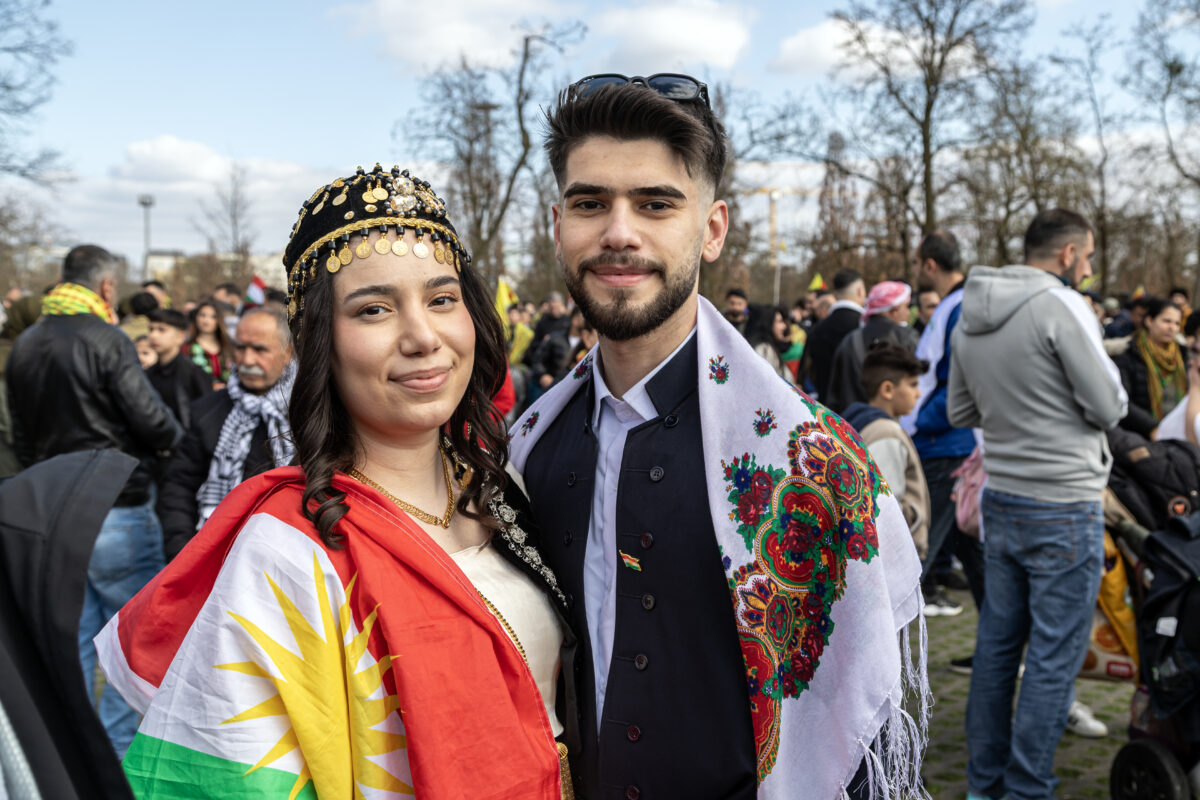
A couple pause from participating in Nowruz celebrations to pose for a photo. Many people who attend festivities wear intricately patterned scarves, and others wear flags draped around their shoulders. Many Central Asian communities around the world celebrate Nowruz, the Persian New Year, which marks the vernal equinox and is celebrated around March 20 or 21 in Western Europe. IMB Photo
Download Options
Small Low resolution for screen
Large High resolution for print
Usage Rights & Citation:

You are free to share and adapt IMB photos. You must give appropriate credit to IMB in a reasonable manner, but not in a way that suggests the organization endorses you or your use. You may not use the material for commercial purposes. Read more
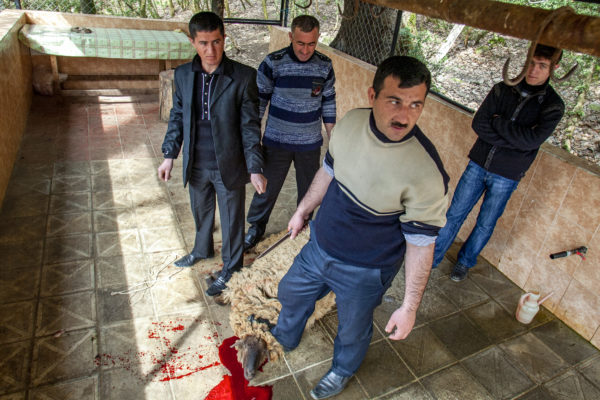
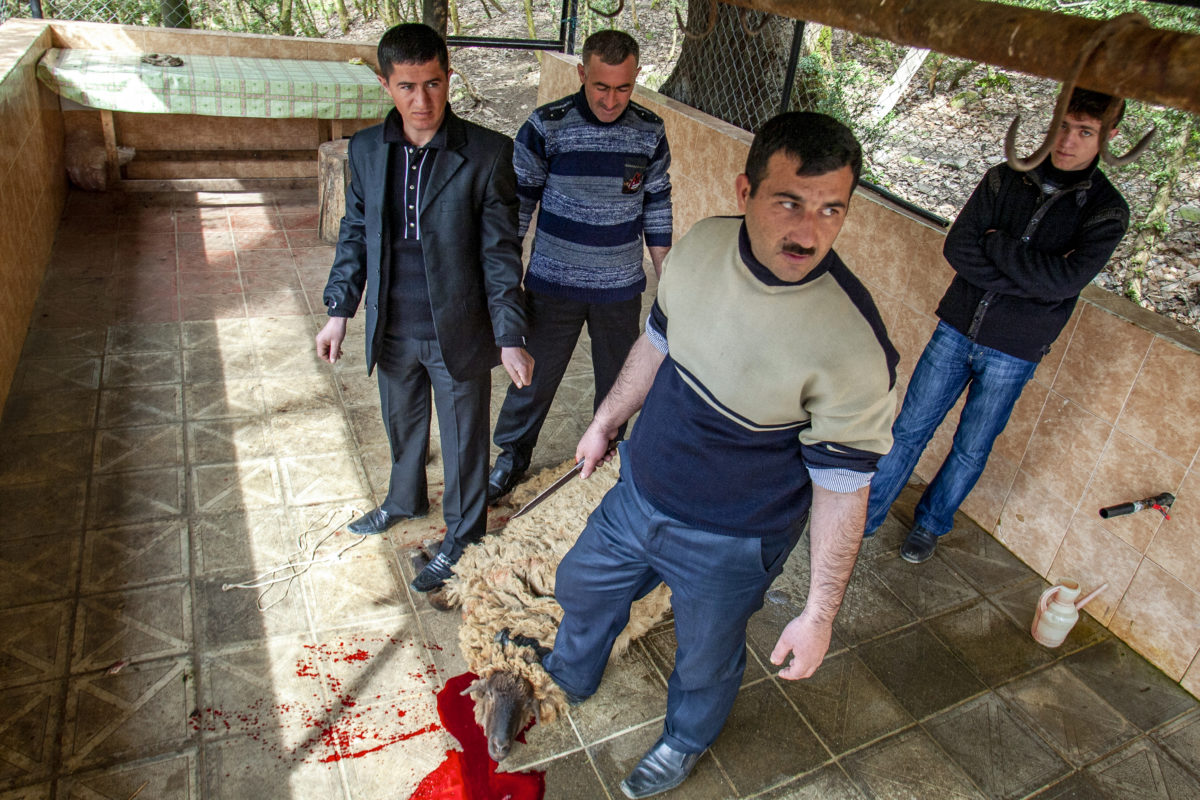
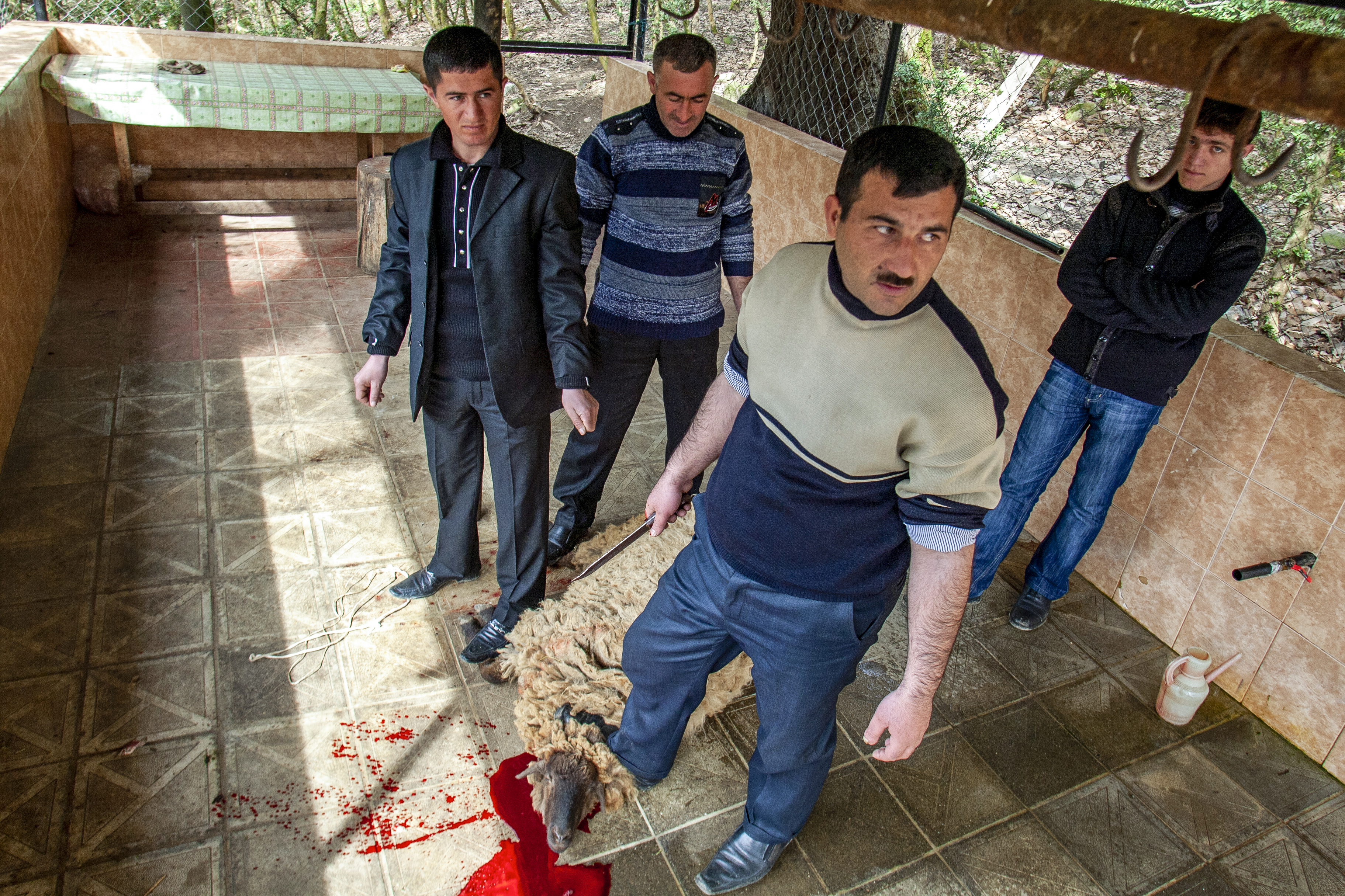
The Bobgil Shrine compound on the road to Lerik, Azerbaijan, is considered a holy place by the Talysh people. These men have come during the Novruz holiday to offer a sheep sacrifice to God as a way of seeking forgiveness of sin. Novruz is a spring celebration and has its roots in Persian Zoroastrianism. The Talysh people are an Iranian people group who live in Iran and Azerbaijan.

Download Options
Small Low resolution for screen
Large High resolution for print
Collection: Central Asia, Religion
Usage Rights & Citation:

You are free to share and adapt IMB photos. You must give appropriate credit to IMB in a reasonable manner, but not in a way that suggests the organization endorses you or your use. You may not use the material for commercial purposes. Read more

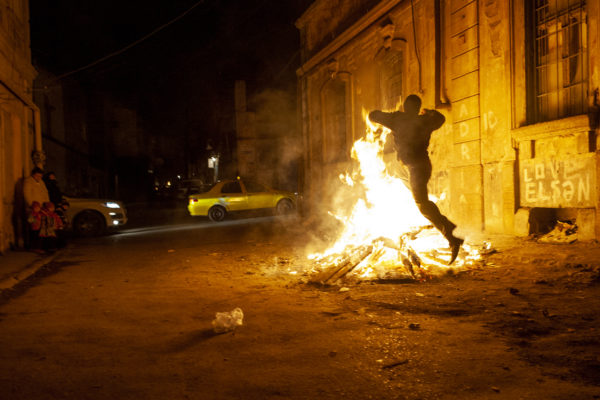
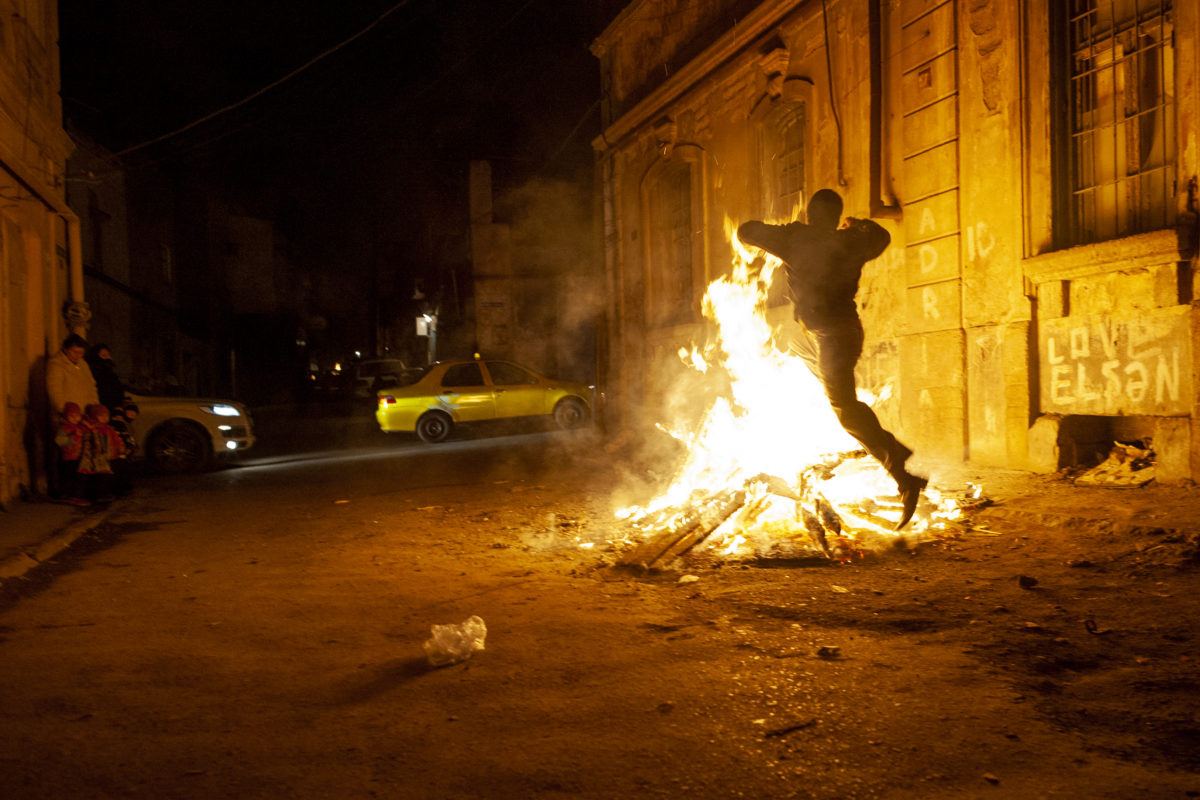
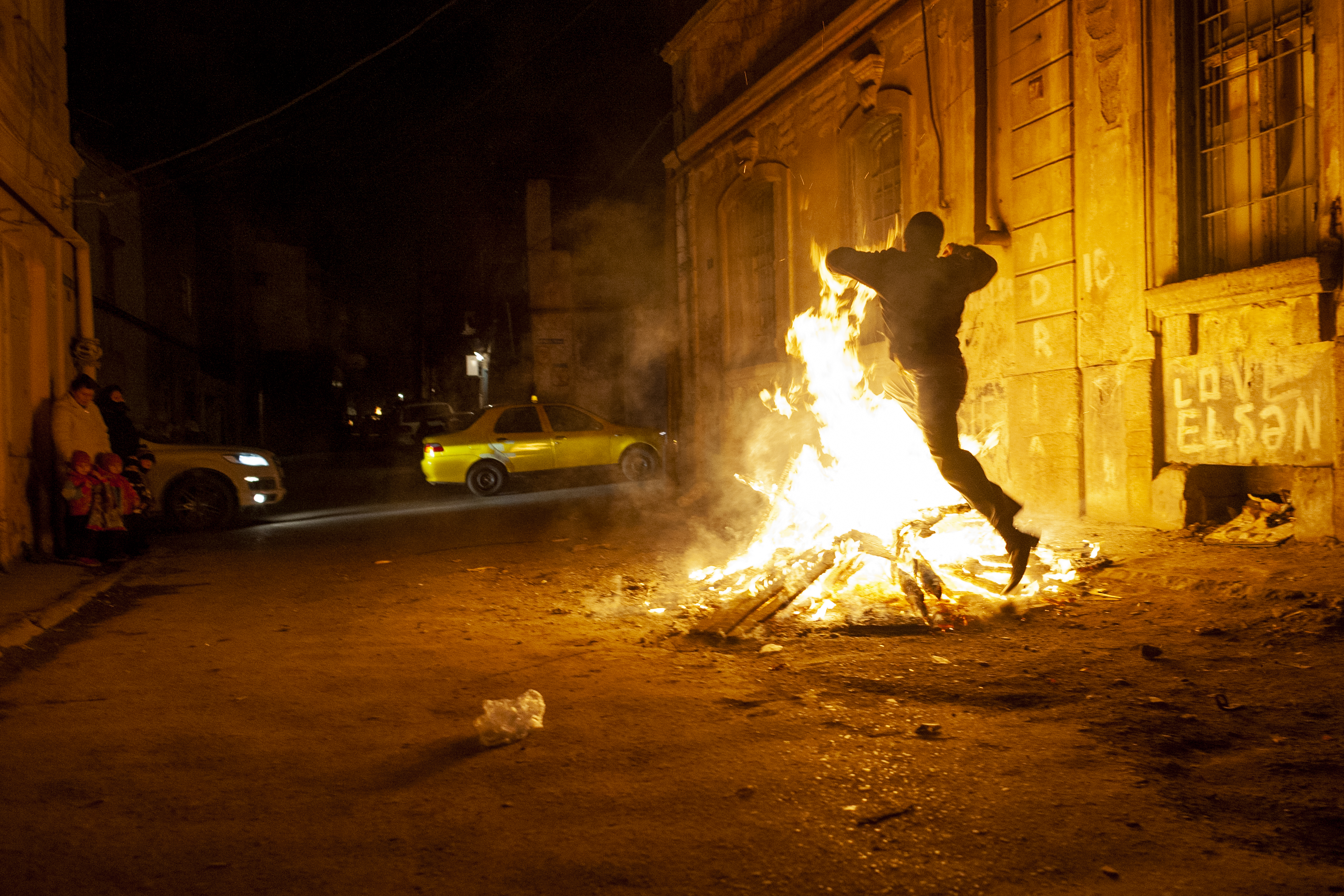
During the spring celebration of Novruz in Baku, Azerbaijan, Azeri men, women, and children sing and dance around a bonfire, as well as jump over the fire itself.

The Novruz holiday has its roots in Persian Zoroastrianism, in which fire is symbolic. Azeris believe that jumping over the fire burns away the previous year’s sins and gives them a clean slate for the coming year.

Download Options
Small Low resolution for screen
Large High resolution for print
Usage Rights & Citation:

You are free to share and adapt IMB photos. You must give appropriate credit to IMB in a reasonable manner, but not in a way that suggests the organization endorses you or your use. You may not use the material for commercial purposes. Read more

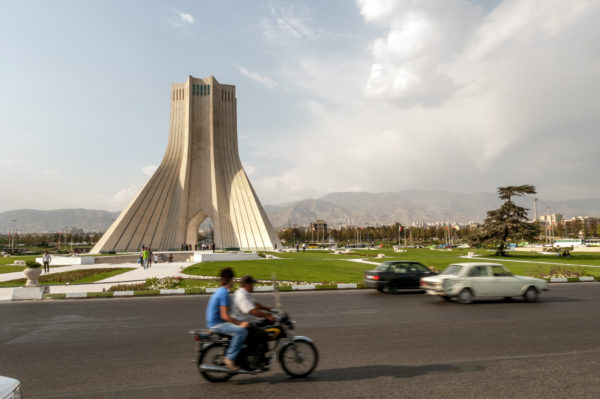
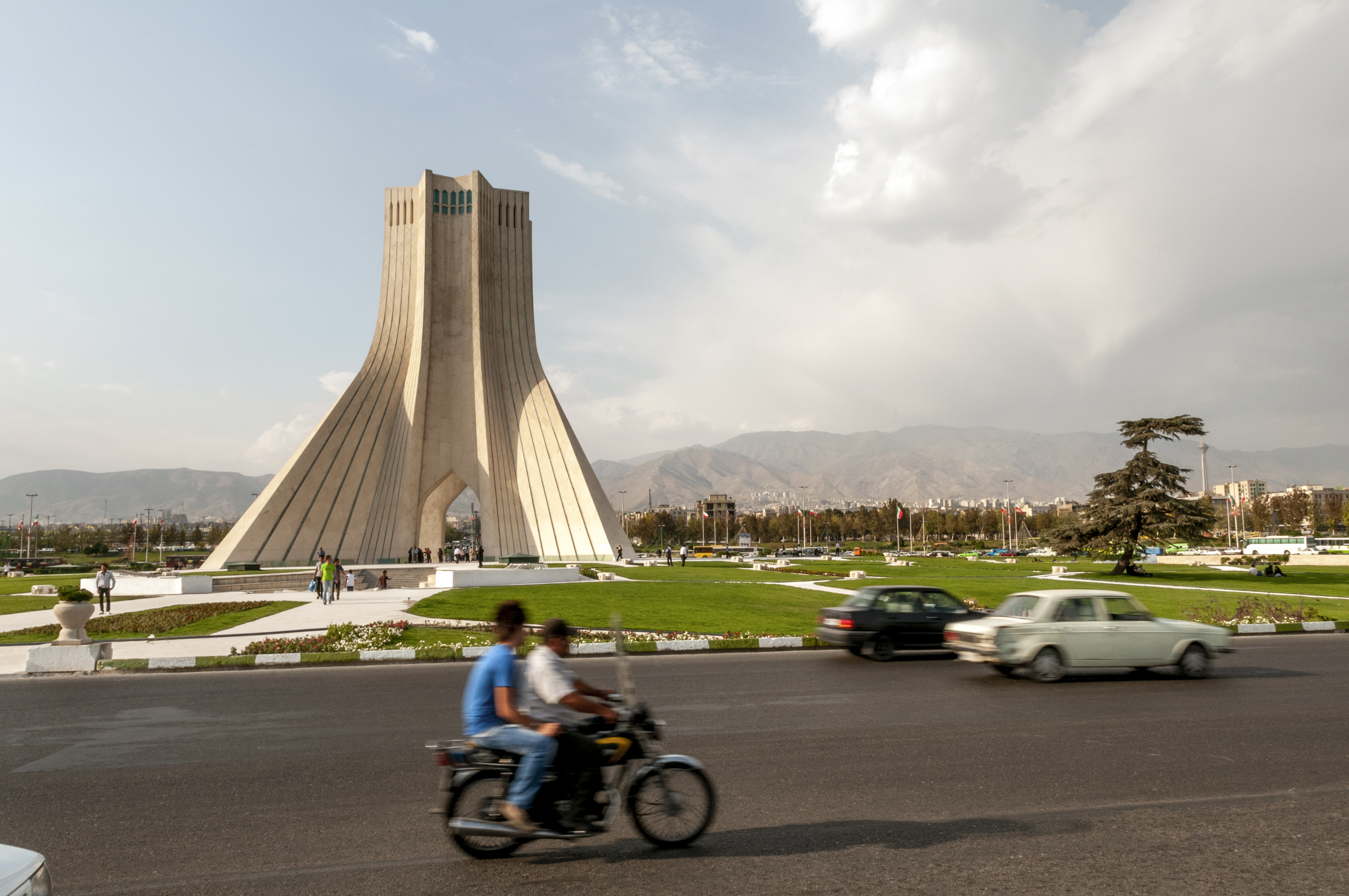
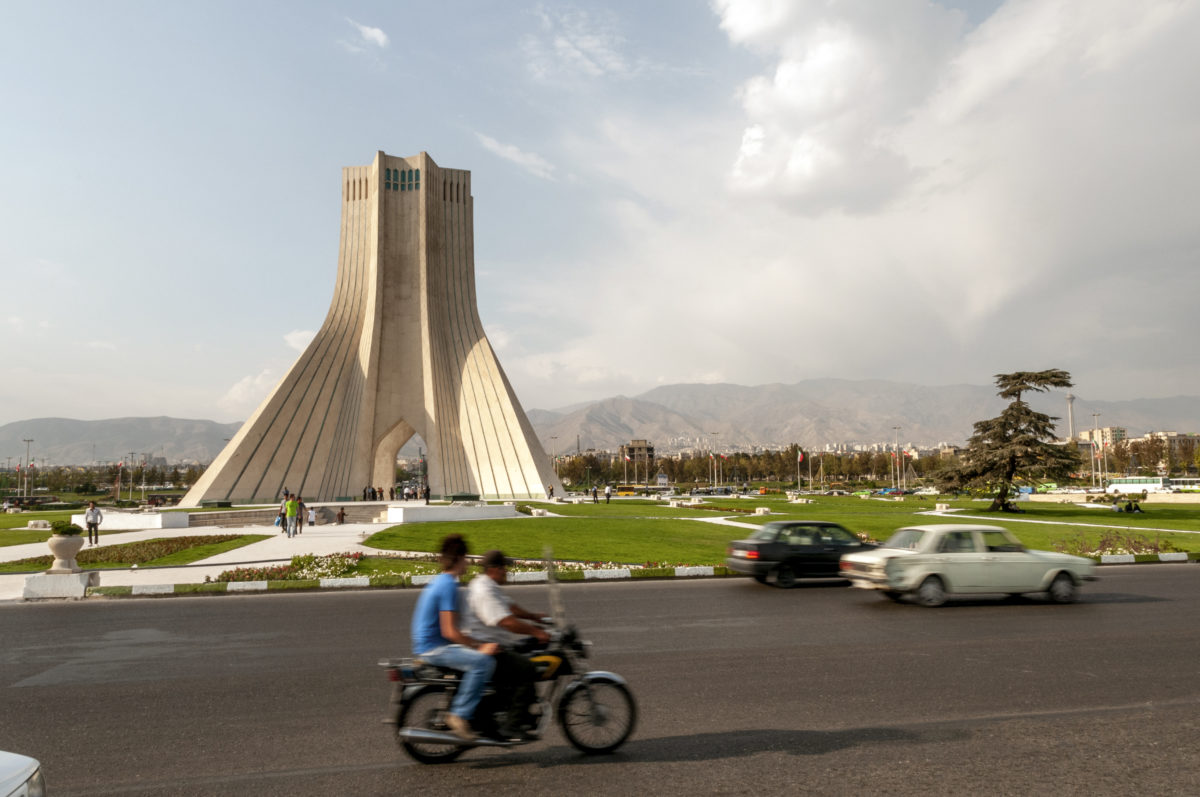
A motorcycle and cars drive past the Azadi Tower in Tehran, Iran. Azadi means ‘freedom.’ This tower was built in 1971 to commemorate the 2,500th anniversary of the Persian Empire.

Download Options
Small Low resolution for screen
Large High resolution for print
Collection: Central Asia
Usage Rights & Citation:

You are free to share and adapt IMB photos. You must give appropriate credit to IMB in a reasonable manner, but not in a way that suggests the organization endorses you or your use. You may not use the material for commercial purposes. Read more

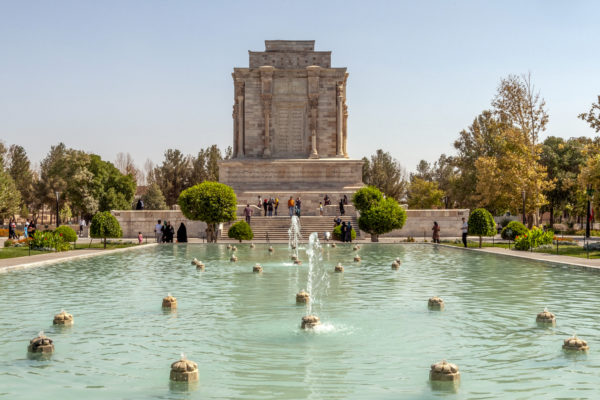
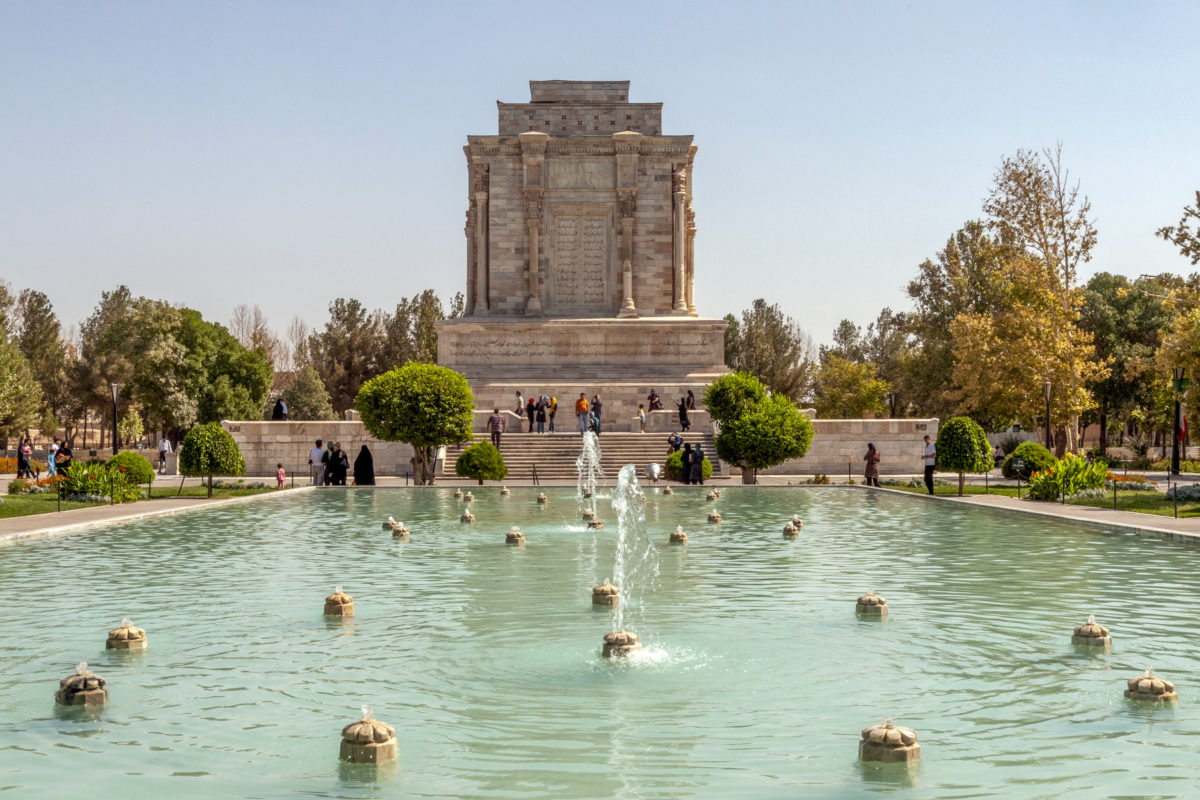
The tomb of Ferdosi, a 10th-century Persian poet, in Tus, Iran, near Mashhad. Ferdosi is attributed with saving the Farsi language after the Arab invasion threatened to destroy it.

Download Options
Small Low resolution for screen
Large High resolution for print
Collection: Central Asia
Usage Rights & Citation:

You are free to share and adapt IMB photos. You must give appropriate credit to IMB in a reasonable manner, but not in a way that suggests the organization endorses you or your use. You may not use the material for commercial purposes. Read more

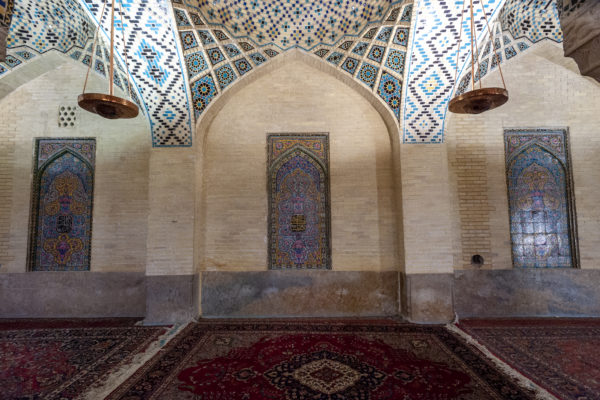
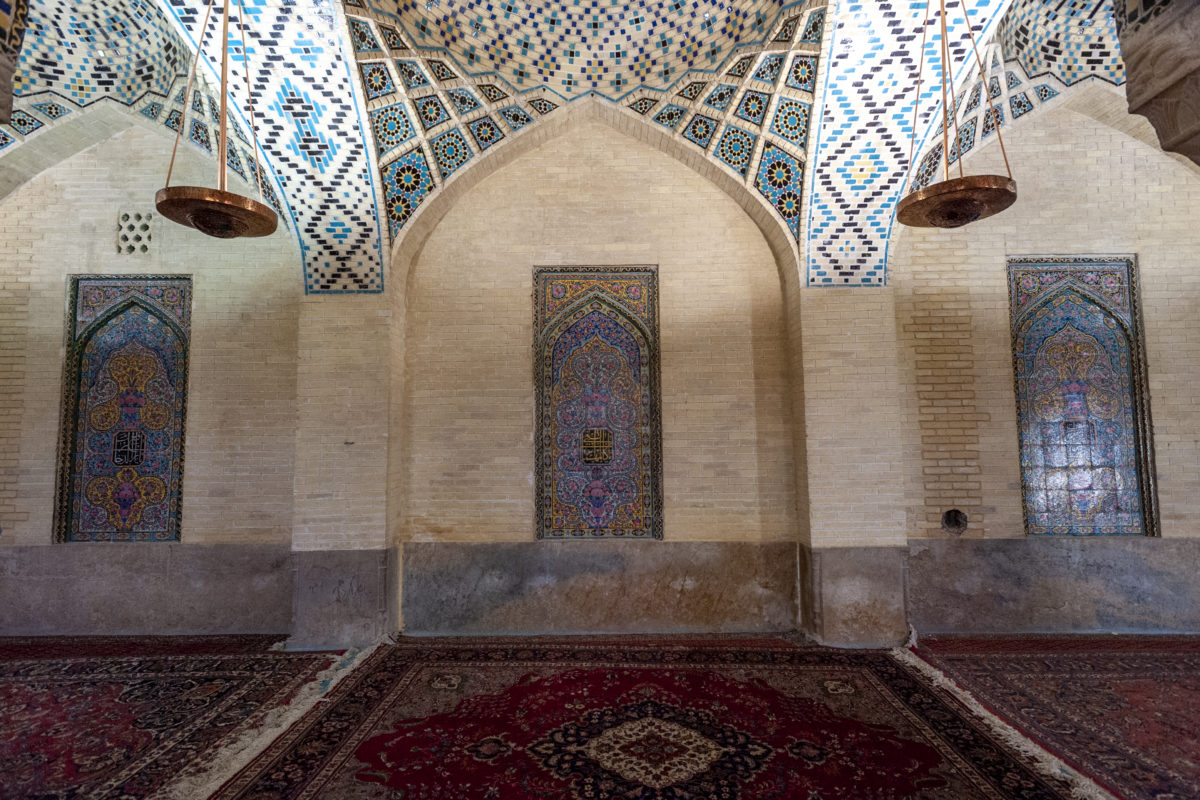
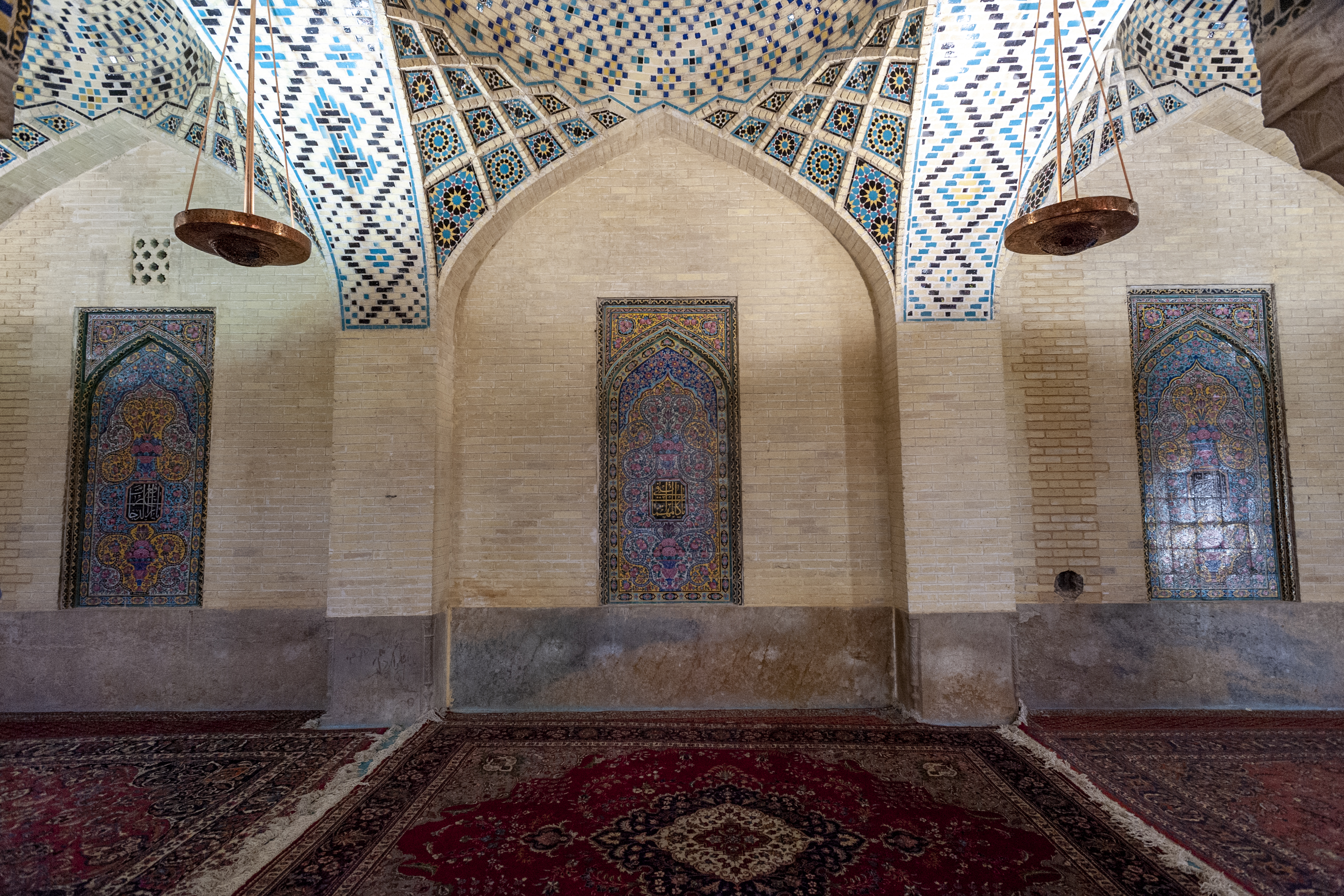
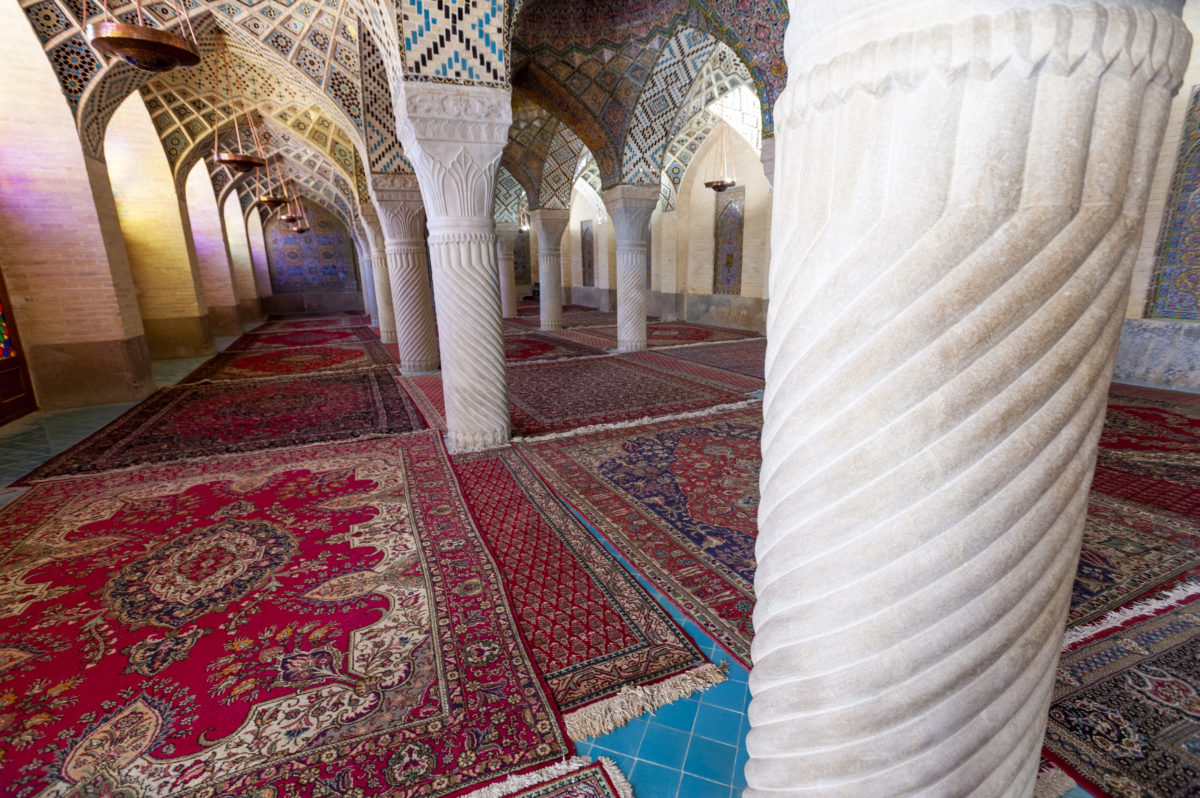
An interior prayer room with Persian carpets spread across the floor at the Nasir-ol-Molk Mosque, also known as the Pink Mosque in Shiraz, Iran.

Download Options
Small Low resolution for screen
Large High resolution for print
Collection: Central Asia, Religion
Usage Rights & Citation:

You are free to share and adapt IMB photos. You must give appropriate credit to IMB in a reasonable manner, but not in a way that suggests the organization endorses you or your use. You may not use the material for commercial purposes. Read more

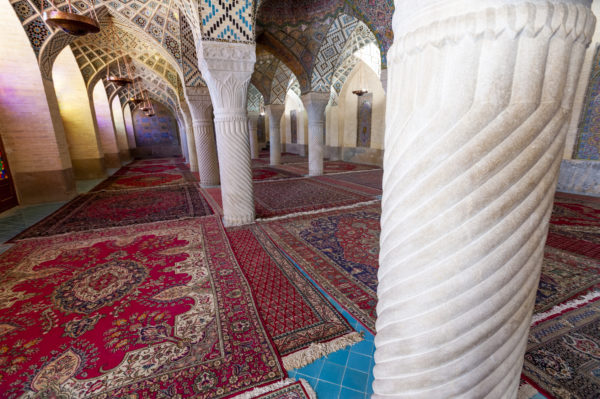
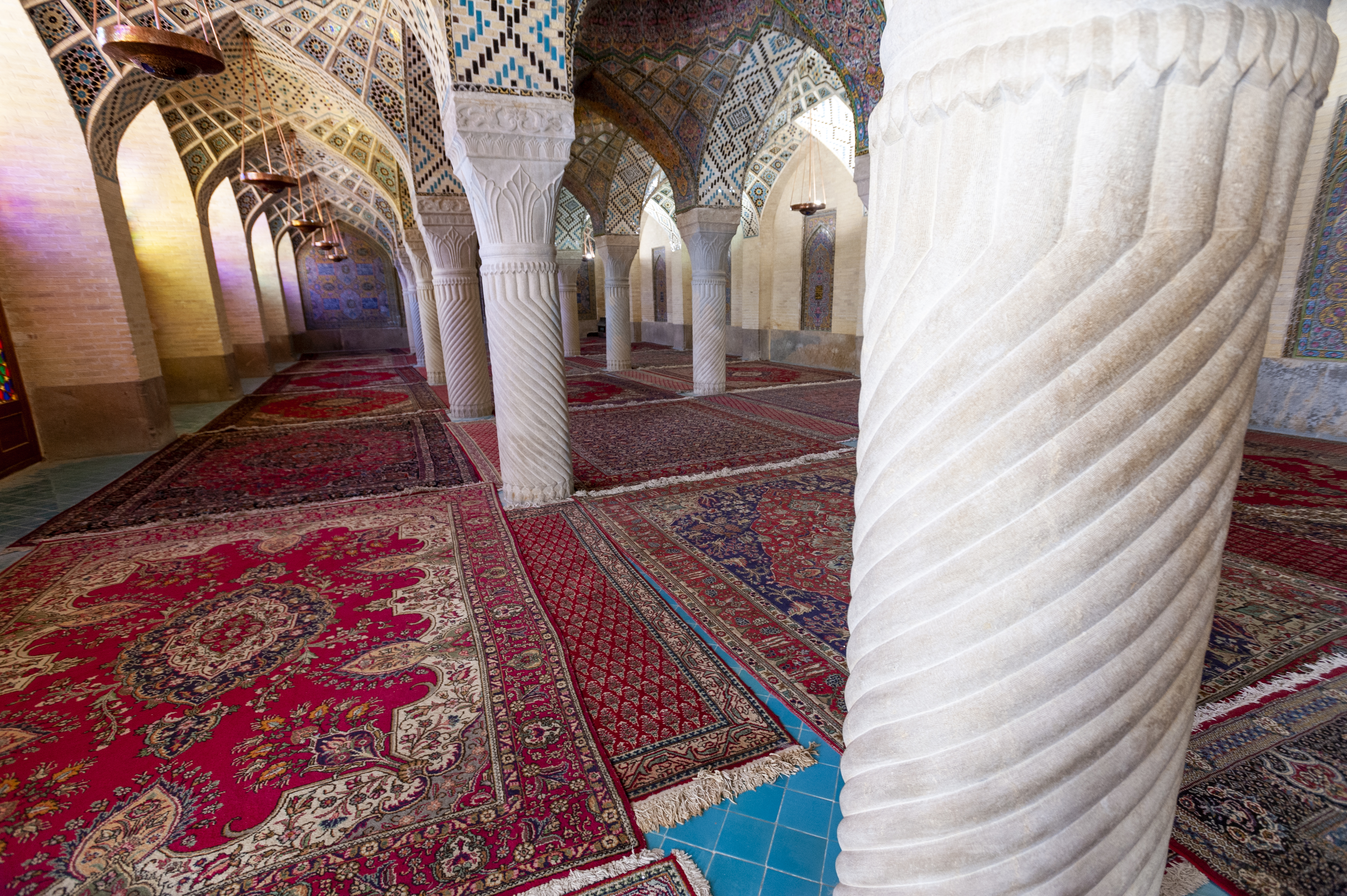
An interior prayer room with Persian carpets spread across the floor at the Nasir-ol-Molk Mosque, also known as the Pink Mosque in Shiraz, Iran.

Download Options
Small Low resolution for screen
Large High resolution for print
Collection: Central Asia, Religion
Usage Rights & Citation:

You are free to share and adapt IMB photos. You must give appropriate credit to IMB in a reasonable manner, but not in a way that suggests the organization endorses you or your use. You may not use the material for commercial purposes. Read more

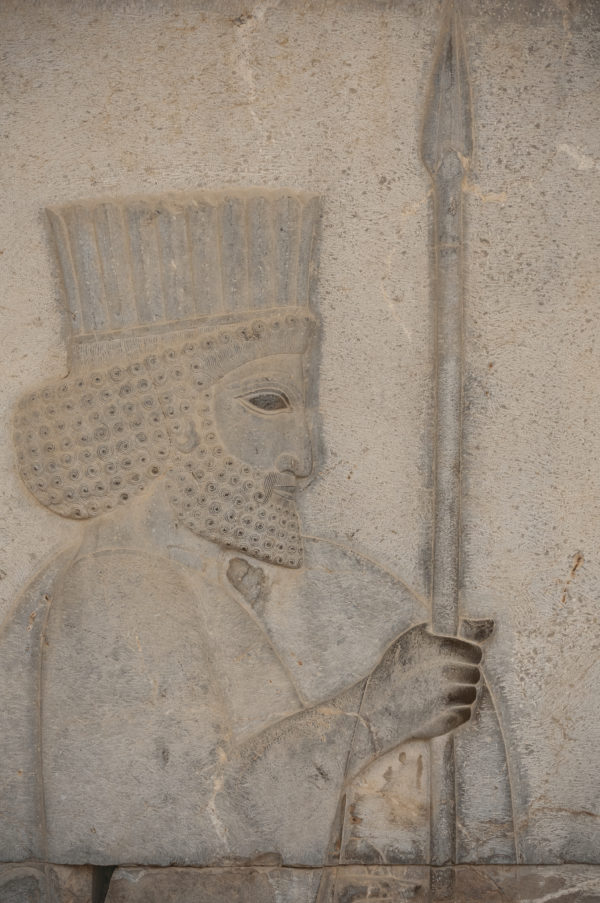
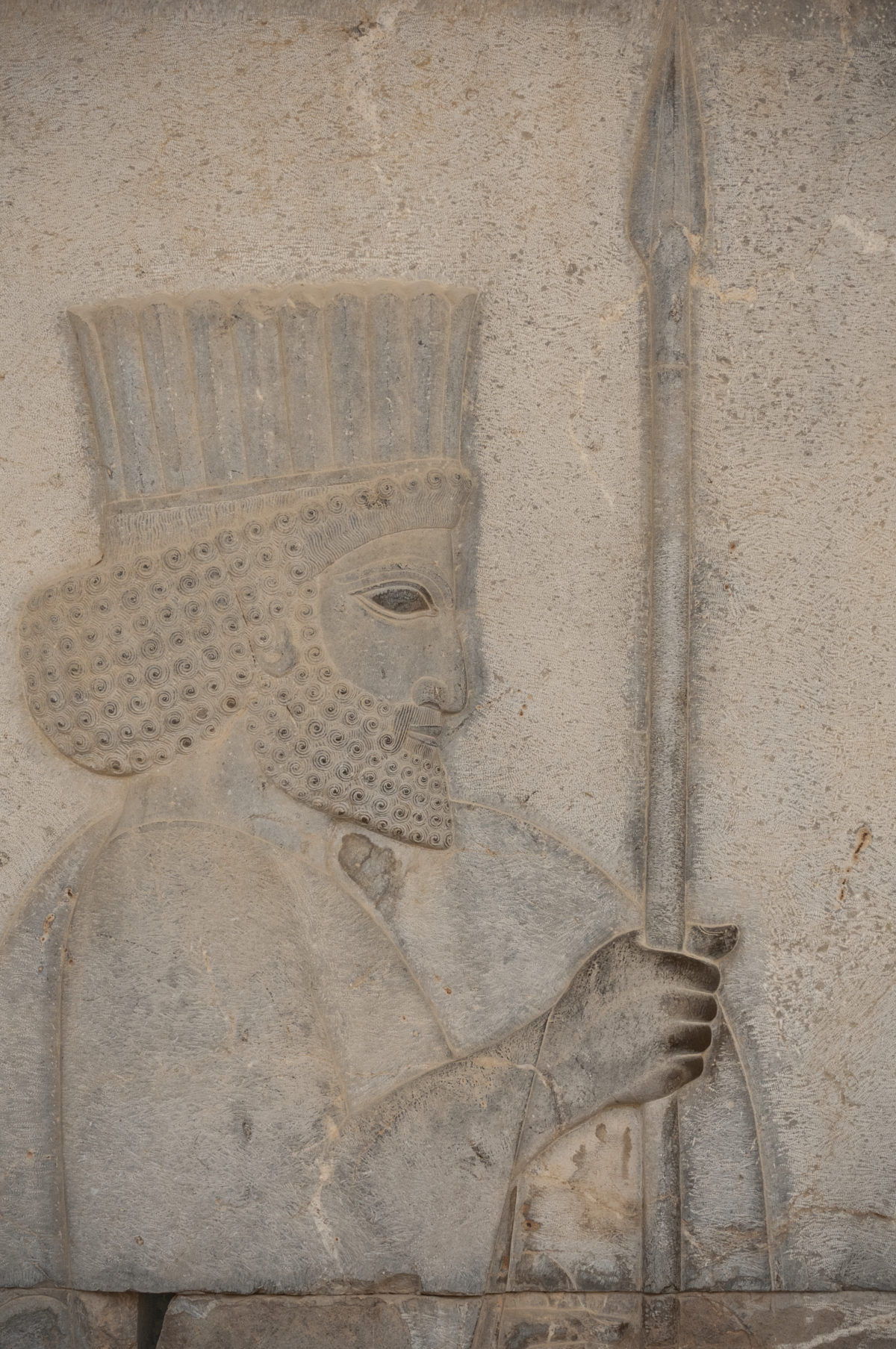
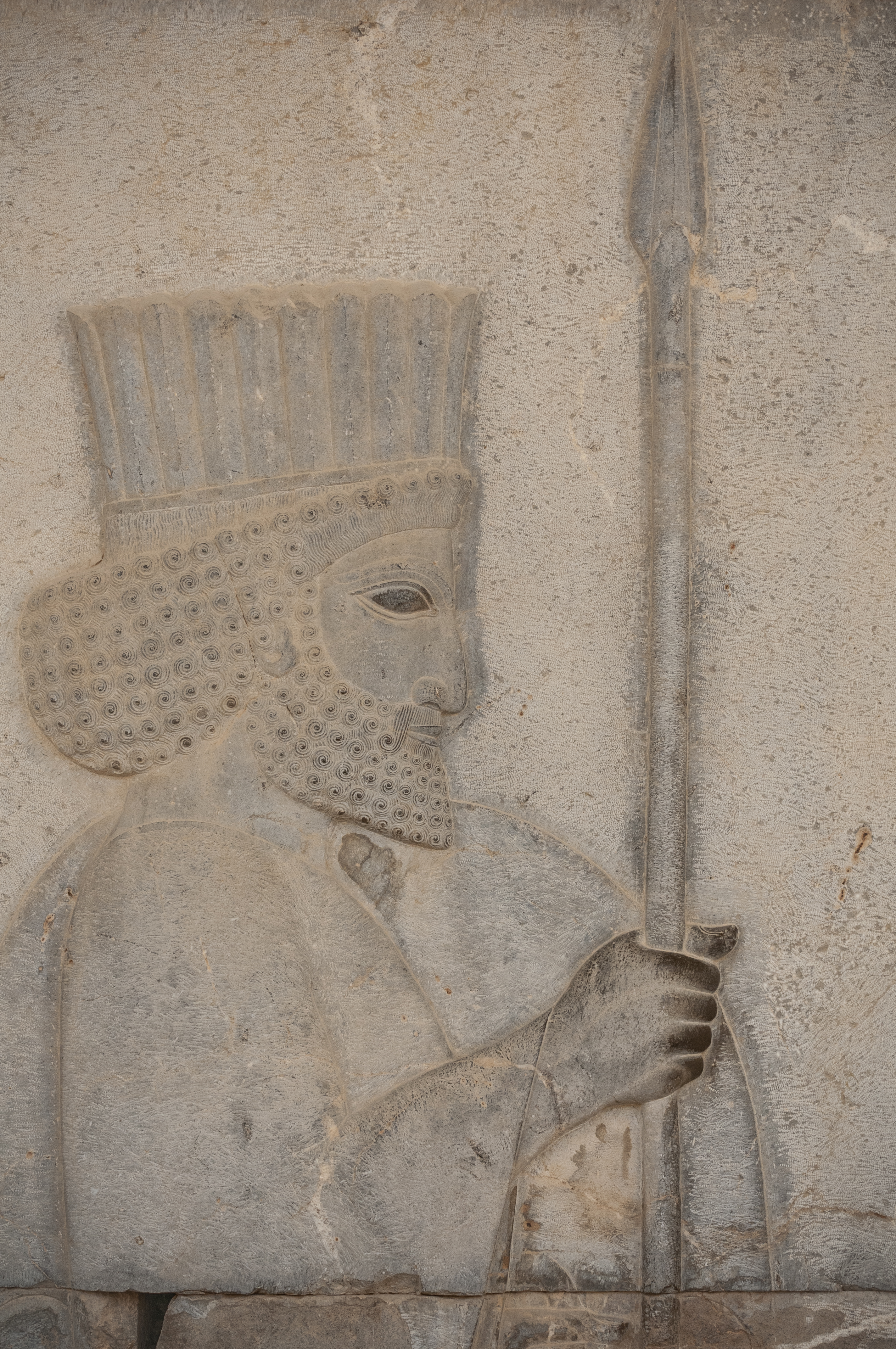
A bas-relief showing a solider in Persepolis, Iran. Persepolis was one of the Persian Empire’s cities and was burned to the ground by the army of Alexander the Great in 330 B.C. Persepolis is believed to have been used as a ceremonial site about one month out of each year, around the Persian new year, Navroz, in the spring. People would come from all over Persia to celebrate the holiday.

Download Options
Small Low resolution for screen
Large High resolution for print
Collection: Central Asia
Usage Rights & Citation:

You are free to share and adapt IMB photos. You must give appropriate credit to IMB in a reasonable manner, but not in a way that suggests the organization endorses you or your use. You may not use the material for commercial purposes. Read more

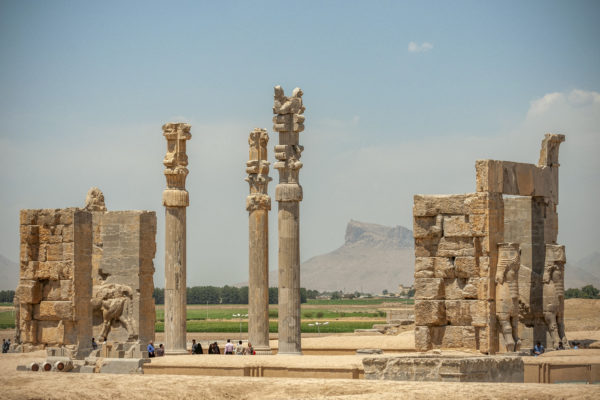
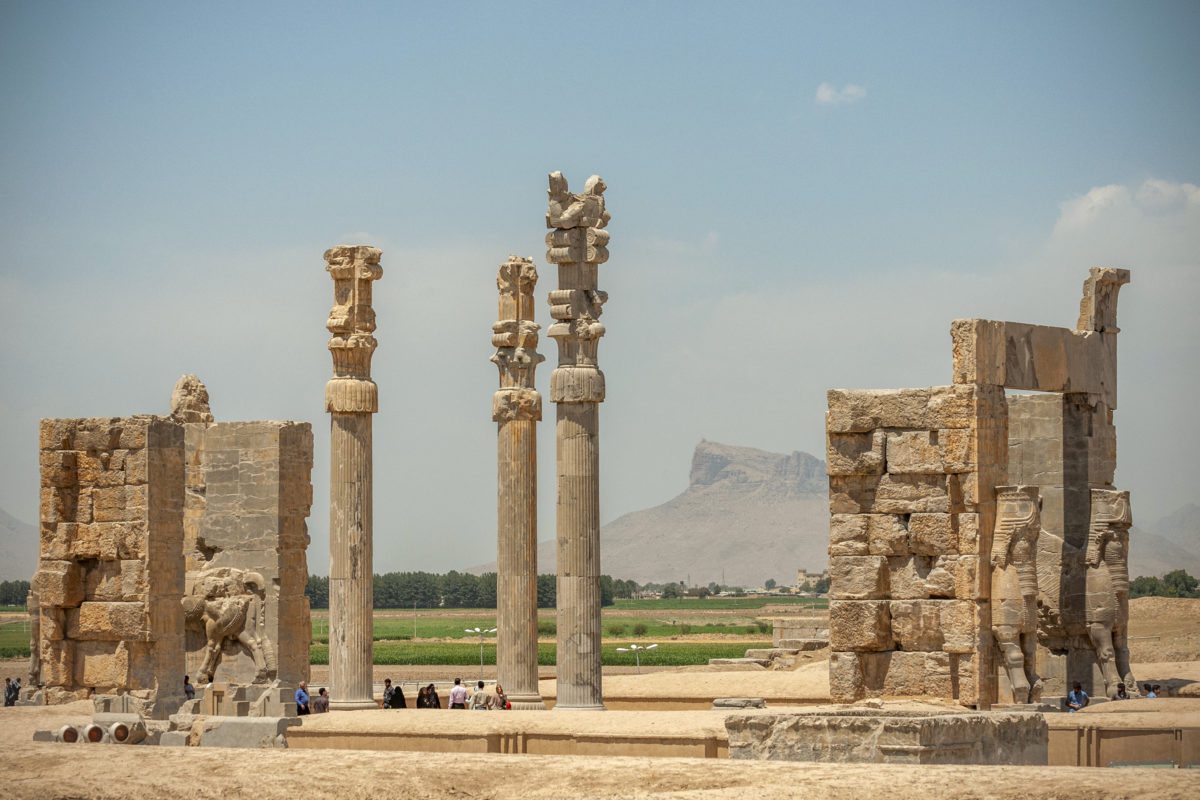
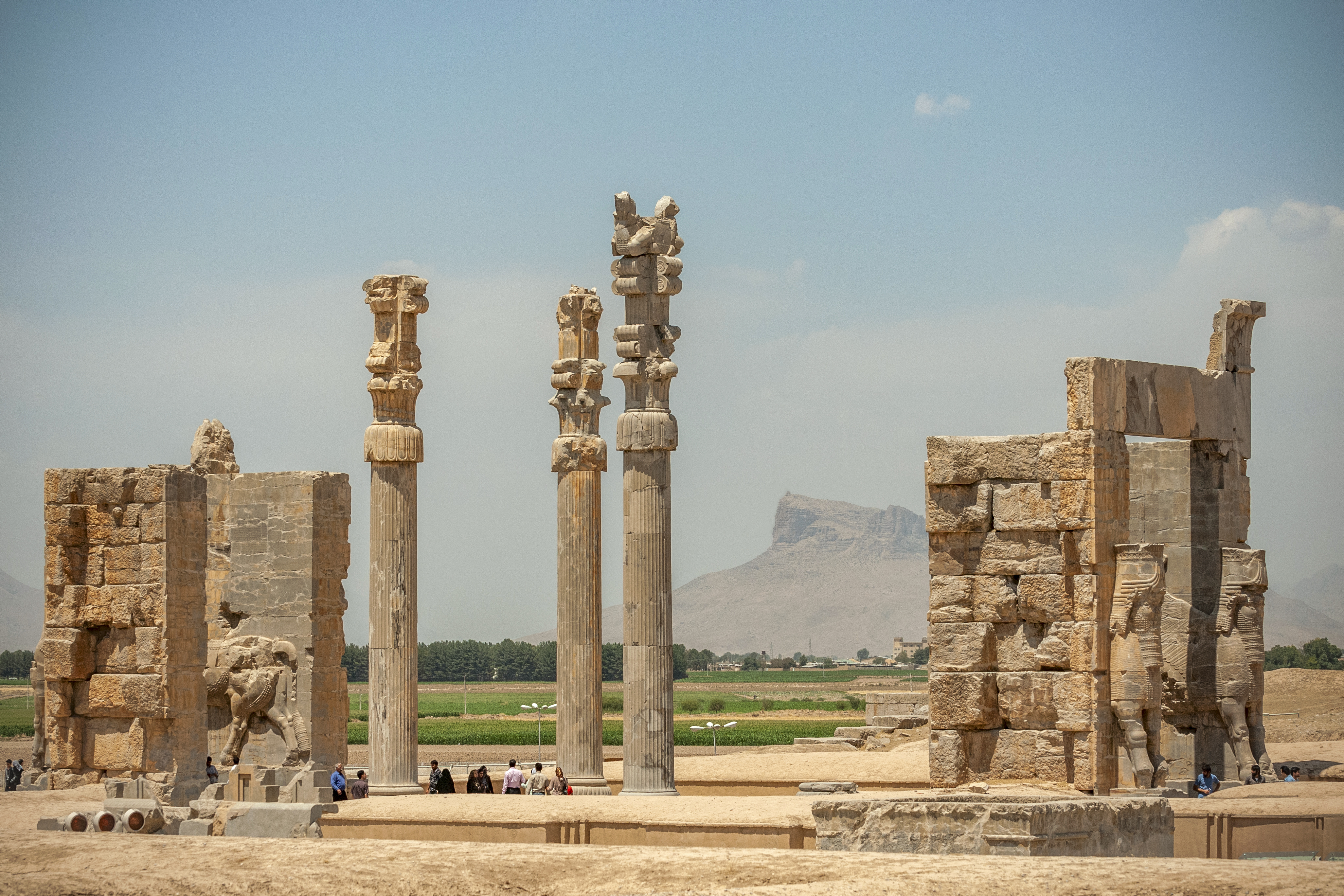
The ruins of Persepolis, Iran. Persepolis was one of the Persian Empire’s cities and was burned to the ground by the army of Alexander the Great in 330 B.C. Persepolis is believed to have been used as a ceremonial site about one month out of each year, around the Persian new year, Navroz, in the spring. People would come from all over Persia to celebrate the holiday.

Download Options
Small Low resolution for screen
Large High resolution for print
Collection: Central Asia
Usage Rights & Citation:

You are free to share and adapt IMB photos. You must give appropriate credit to IMB in a reasonable manner, but not in a way that suggests the organization endorses you or your use. You may not use the material for commercial purposes. Read more

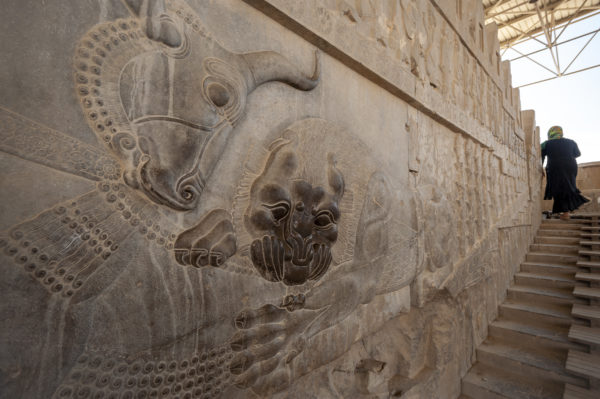
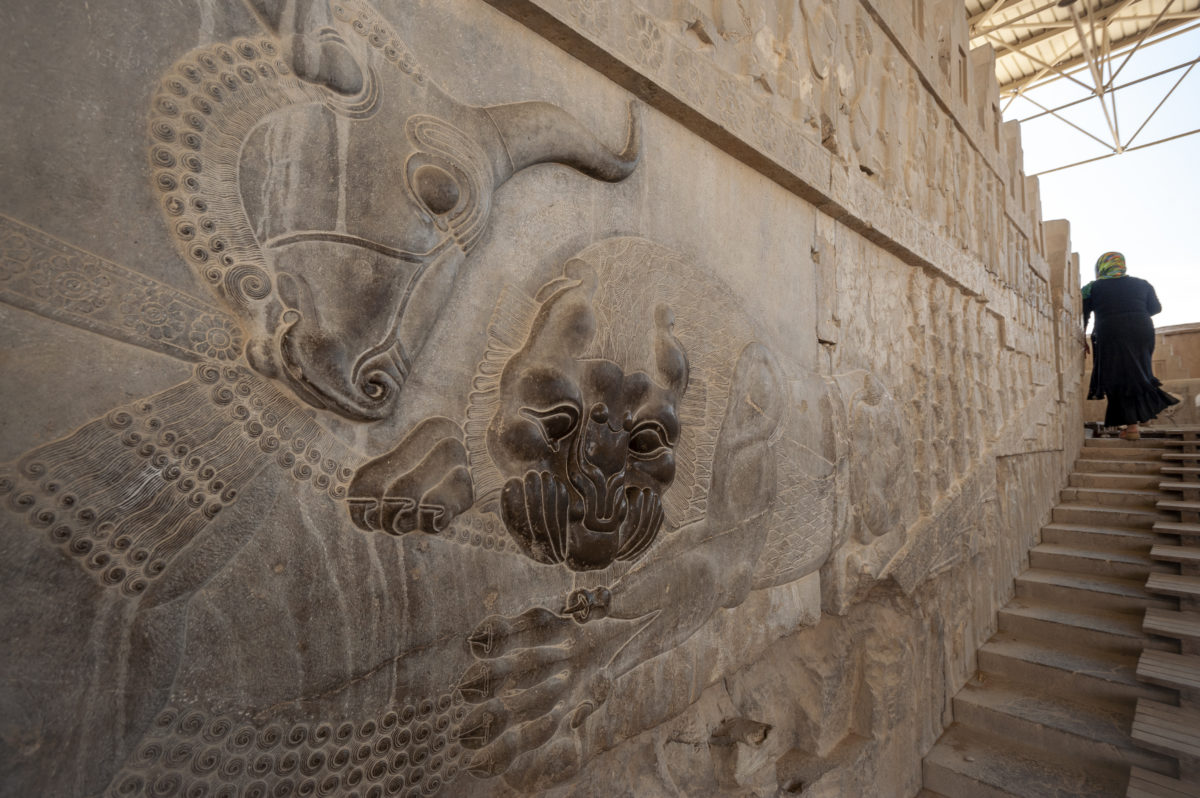
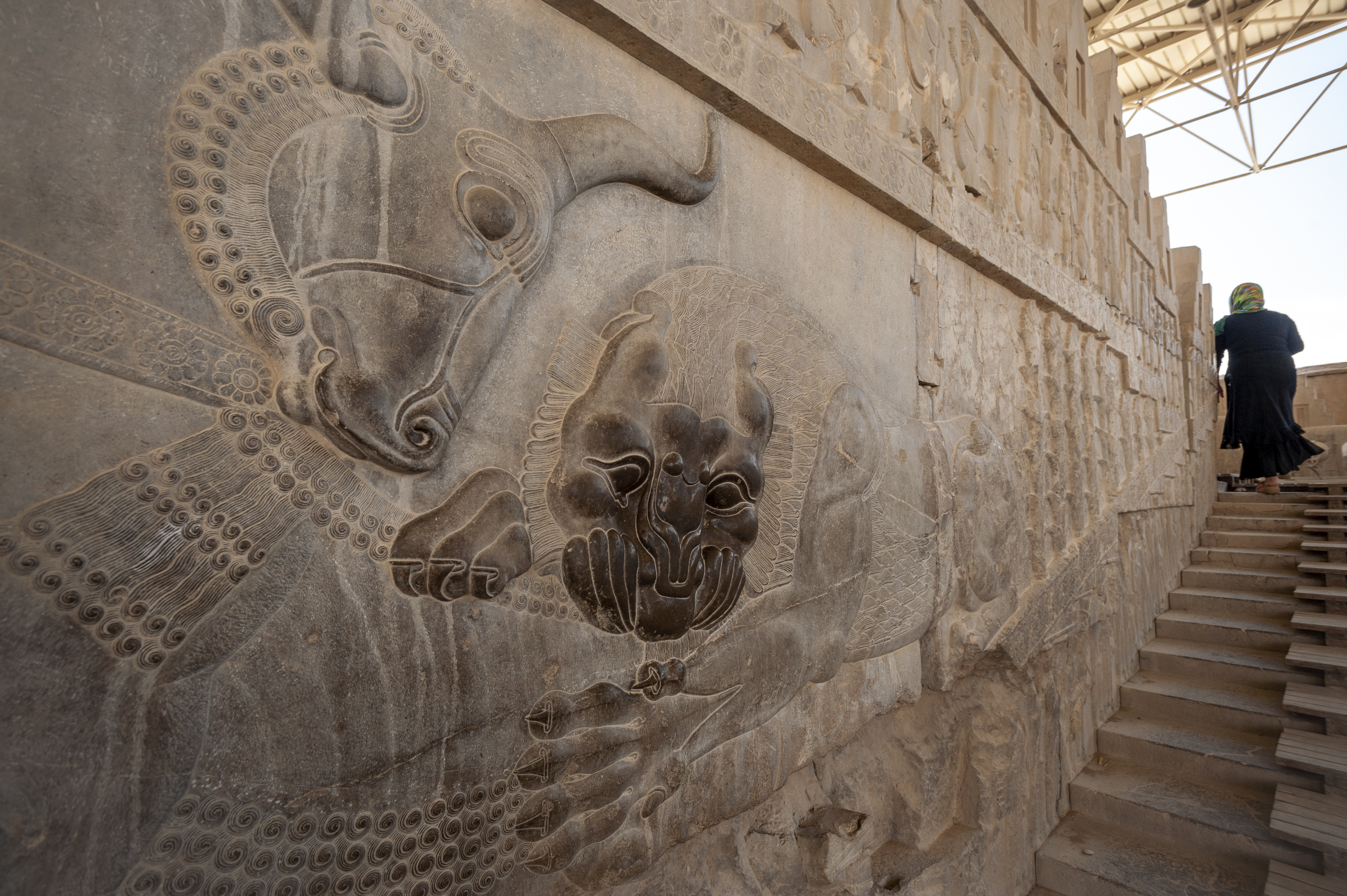
Detail of a bas-relief showing a lion attacking a goat-like animal at Persepolis, Iran. Persepolis was one of the Persian Empire’s cities and was burned to the ground by the army of Alexander the Great in 330 B.C. Persepolis is believed to have been used as a ceremonial site about one month out of each year, around the Persian new year, Navroz, in the spring. People would come from all over Persia to celebrate the holiday.

Download Options
Small Low resolution for screen
Large High resolution for print
Collection: Central Asia
Usage Rights & Citation:

You are free to share and adapt IMB photos. You must give appropriate credit to IMB in a reasonable manner, but not in a way that suggests the organization endorses you or your use. You may not use the material for commercial purposes. Read more

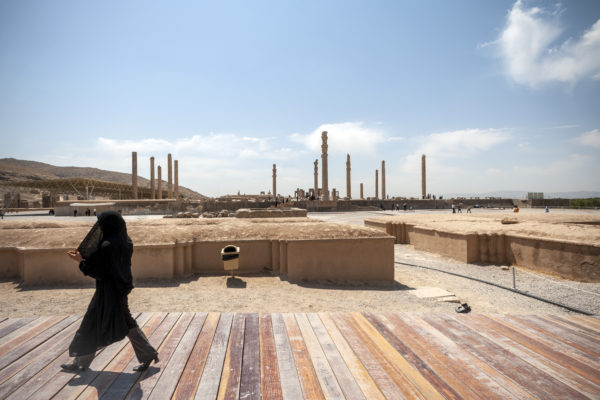
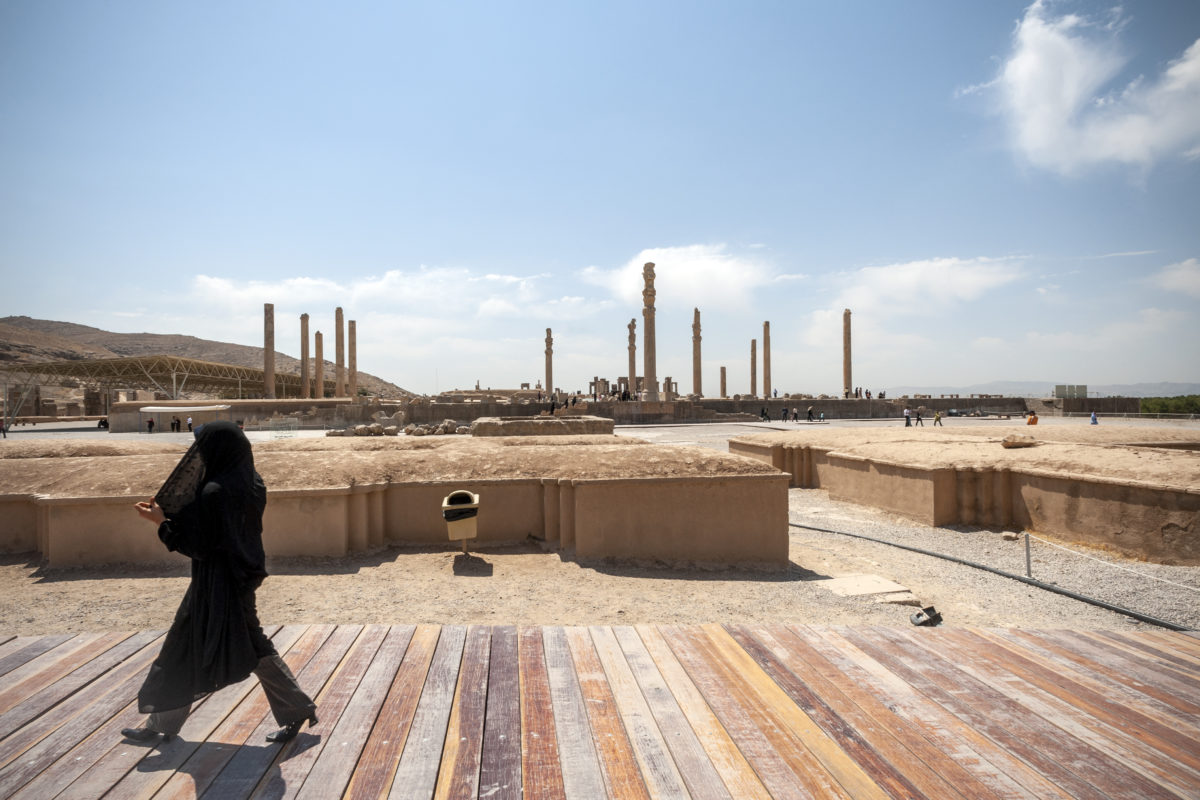
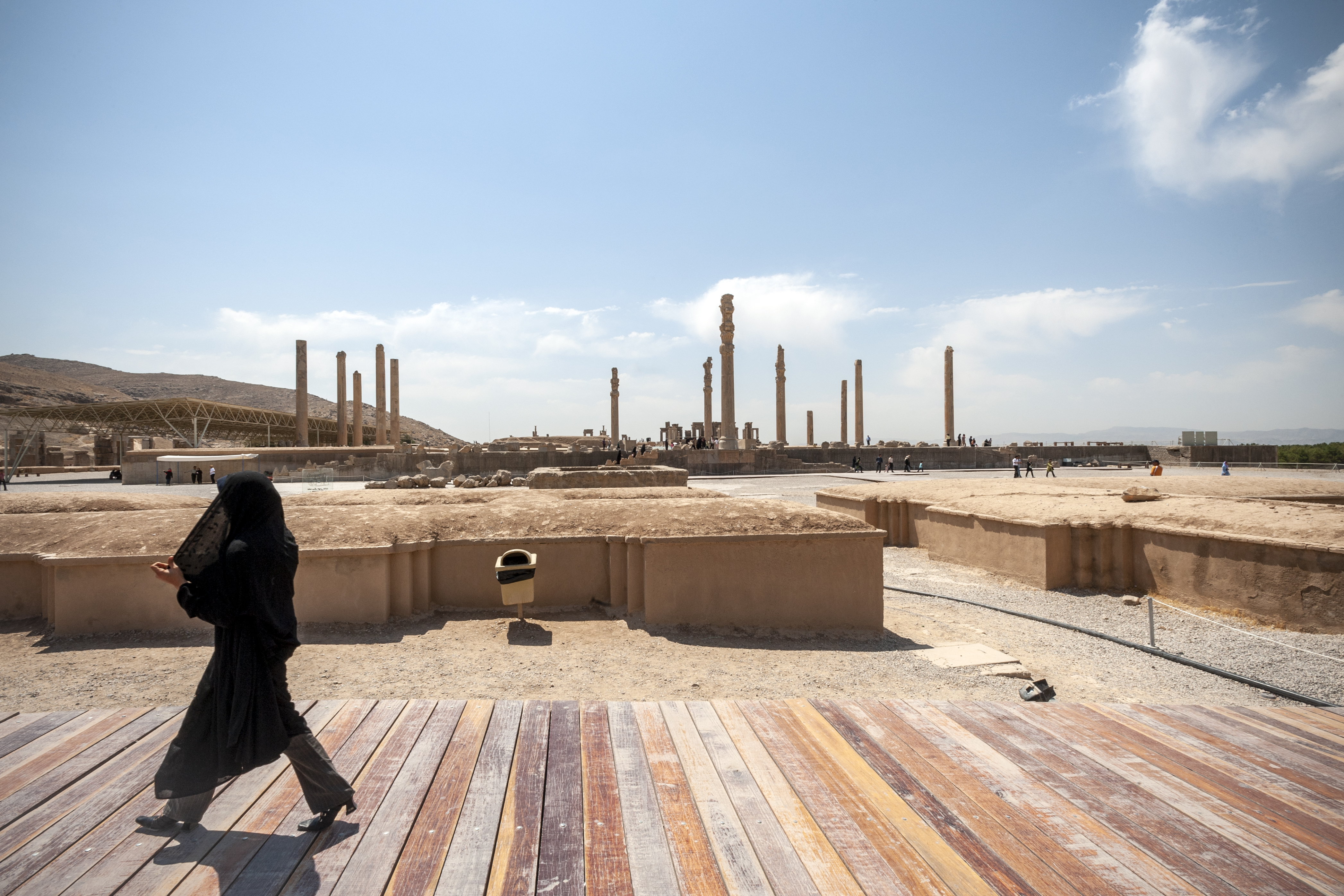
An Iranian woman tours the ruins of Persepolis, Iran. Persepolis was one of the Persian Empire’s cities and was burned to the ground by the army of Alexander the Great in 330 B.C. Persepolis is believed to have been used as a ceremonial site about one month out of each year, around the Persian new year, Navroz, in the spring. People would come from all over Persia to celebrate the holiday.

Download Options
Small Low resolution for screen
Large High resolution for print
Collection: Central Asia
Usage Rights & Citation:

You are free to share and adapt IMB photos. You must give appropriate credit to IMB in a reasonable manner, but not in a way that suggests the organization endorses you or your use. You may not use the material for commercial purposes. Read more

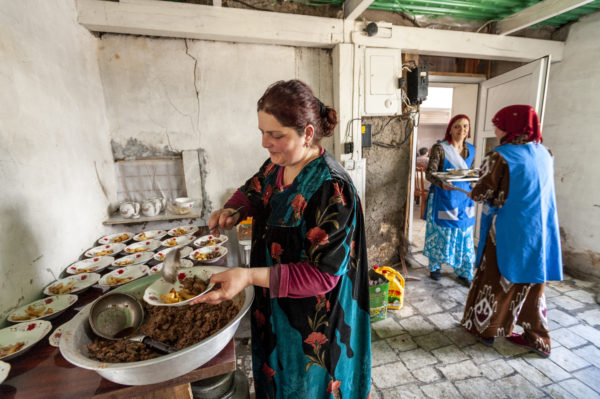
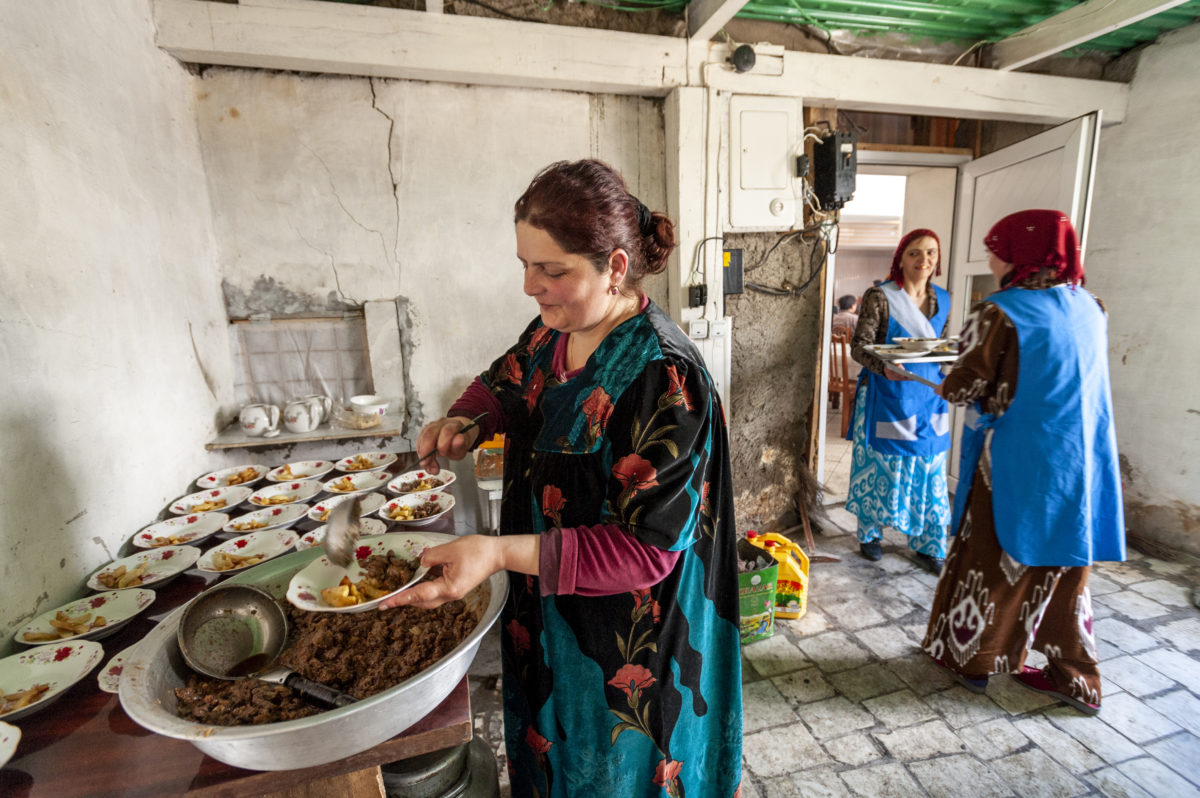
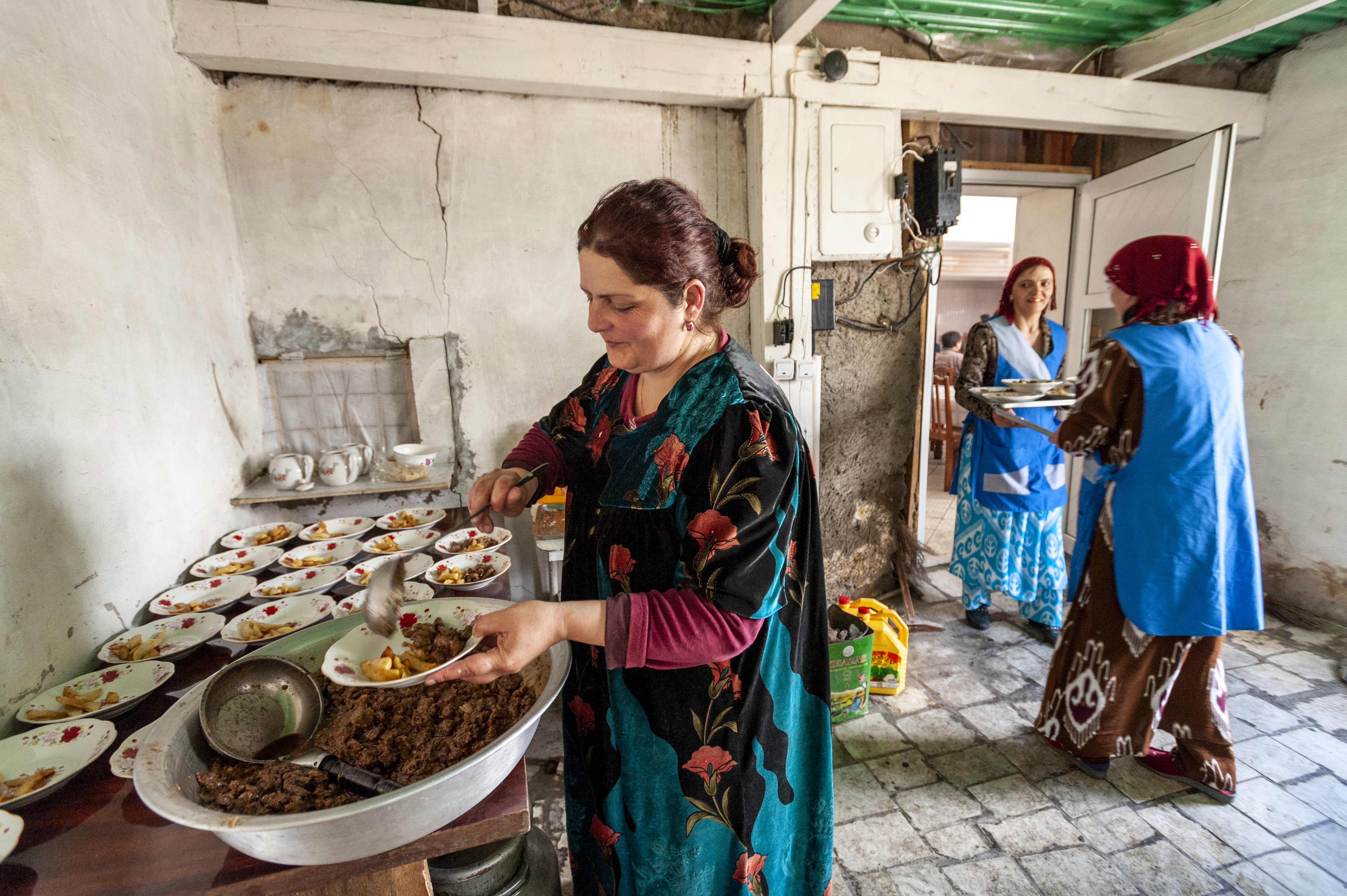
A Pamiri woman prepares bowls of meat and potatoes in the kitchen of a restaurant at a Navroz luncheon and celebration in Rushon. Navroz, the Persian New Year, begins the first day of spring. The people celebrate this holiday for several days with festivals and other activities, hoping for a fruitful upcoming year.

Download Options
Small Low resolution for screen
Large High resolution for print
Usage Rights & Citation:

You are free to share and adapt IMB photos. You must give appropriate credit to IMB in a reasonable manner, but not in a way that suggests the organization endorses you or your use. You may not use the material for commercial purposes. Read more

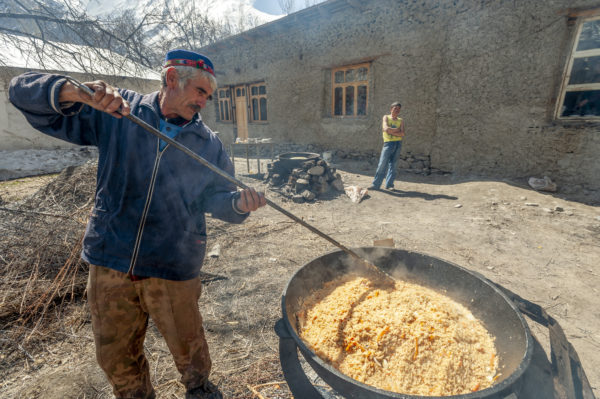
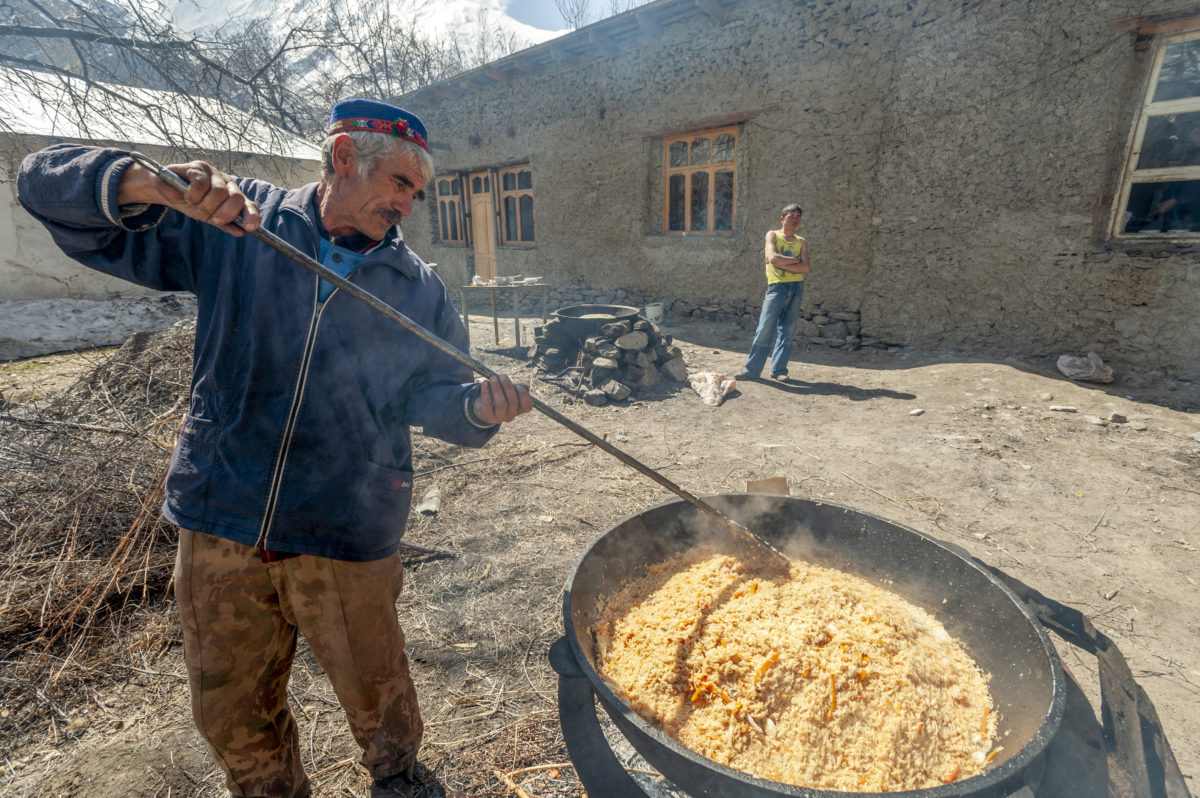
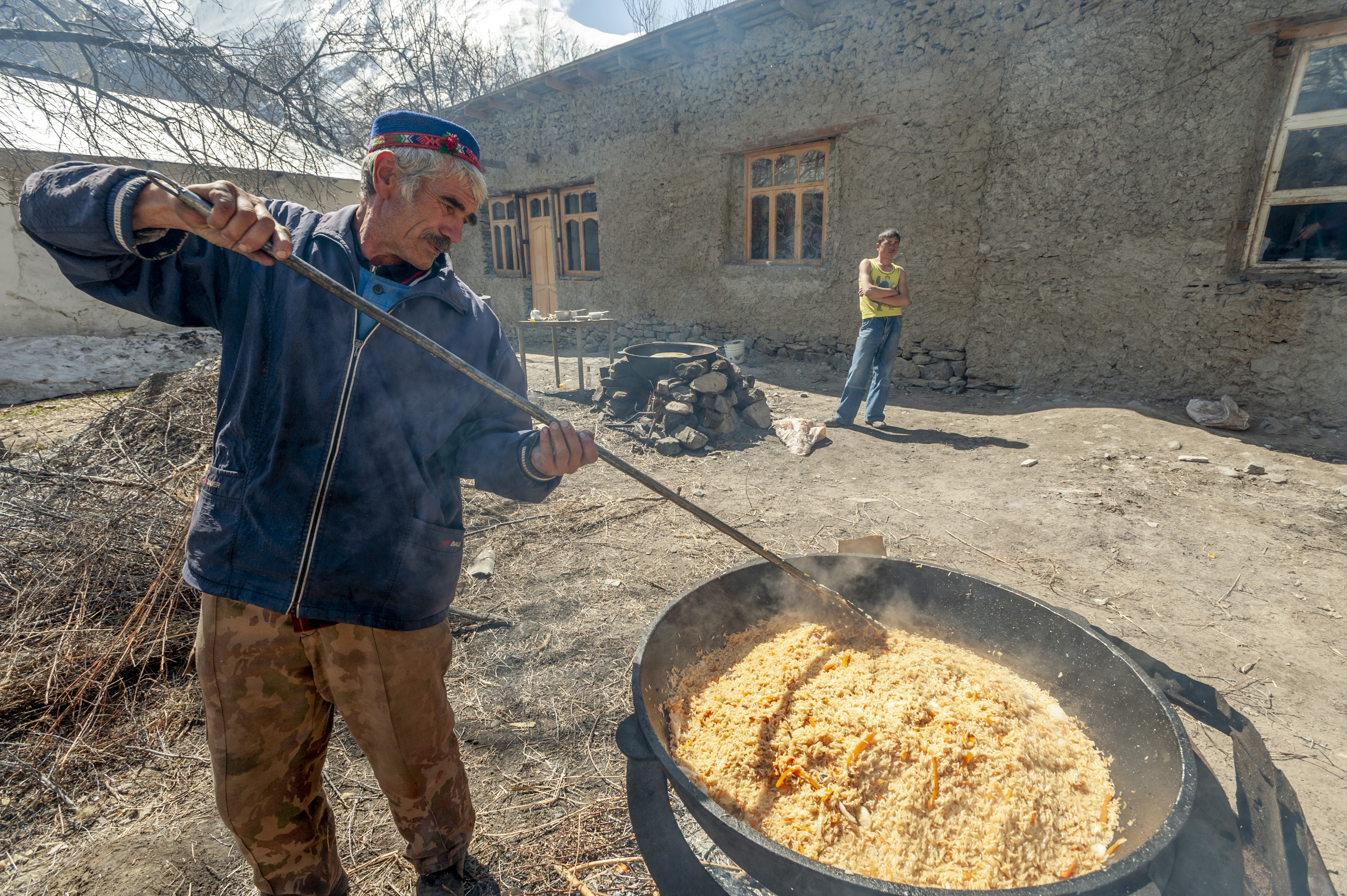
A Pamiri man cooks osh, a traditional rice dish containing carrots, corn and goat meat, in a large pot outside at a Navroz luncheon and celebration in Rushon. Navroz, the Persian New Year, begins the first day of spring. The people celebrate this holiday for several days with festivals and other activities, hoping for a fruitful upcoming year.

Download Options
Small Low resolution for screen
Large High resolution for print
Usage Rights & Citation:

You are free to share and adapt IMB photos. You must give appropriate credit to IMB in a reasonable manner, but not in a way that suggests the organization endorses you or your use. You may not use the material for commercial purposes. Read more

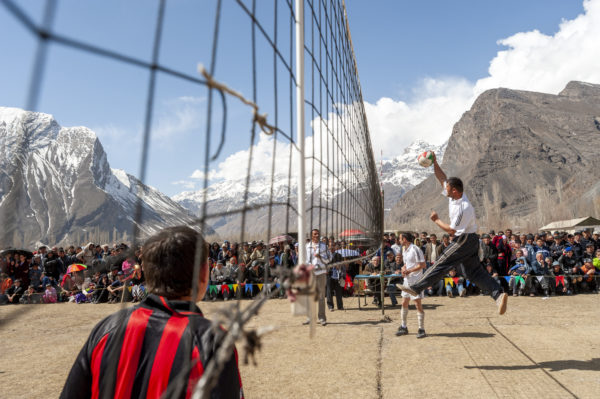
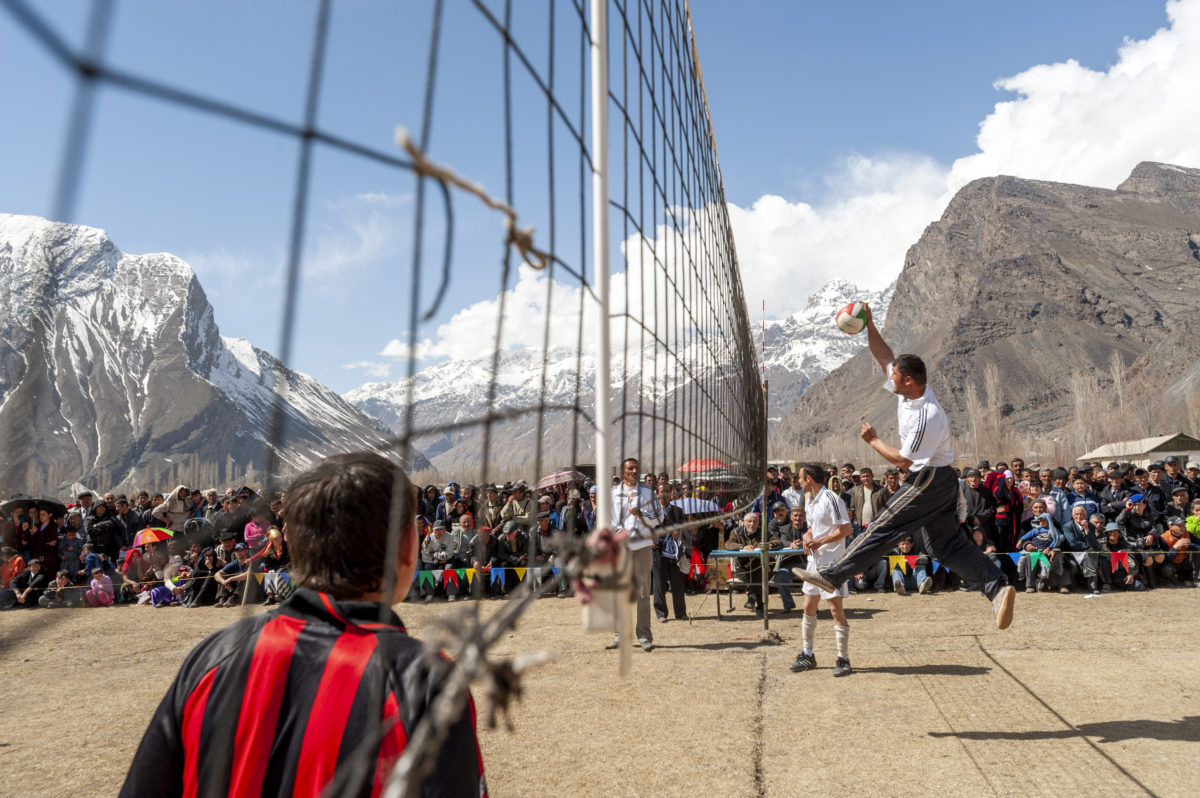
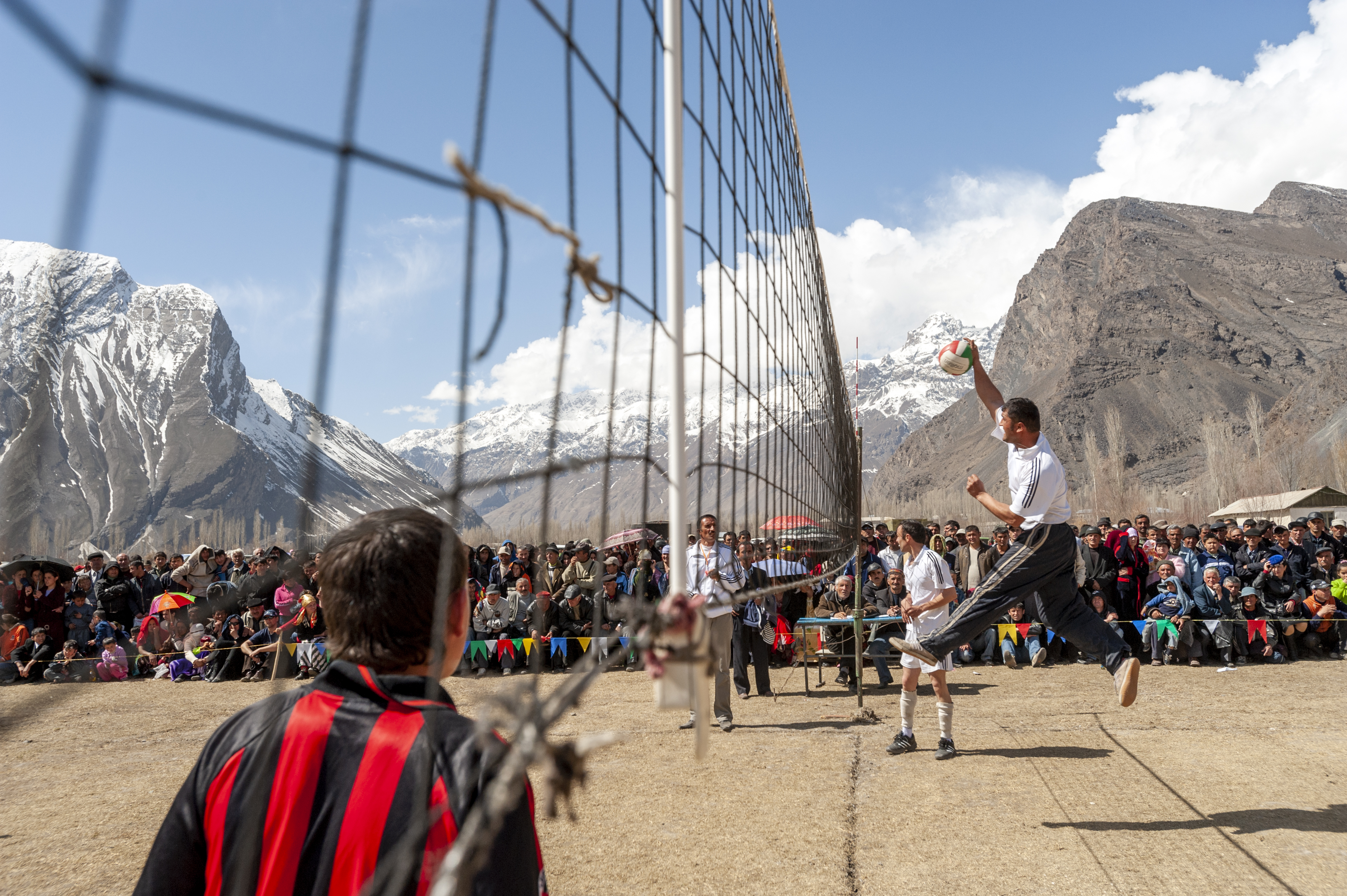
Pamiri men play a game of volleyball beside the Pamir Mountains during a Navroz festival in Rushon in the Gorno-Badakhshan region. Navroz, the Persian New Year, begins the first day of spring. The people celebrate this holiday for several days with festivals and other activities, hoping for a fruitful upcoming year.

Download Options
Small Low resolution for screen
Large High resolution for print
Usage Rights & Citation:

You are free to share and adapt IMB photos. You must give appropriate credit to IMB in a reasonable manner, but not in a way that suggests the organization endorses you or your use. You may not use the material for commercial purposes. Read more

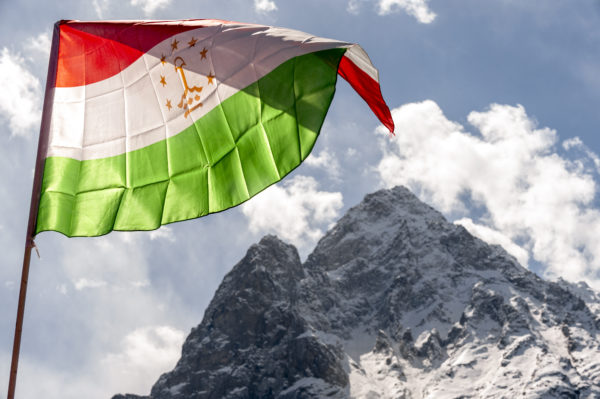
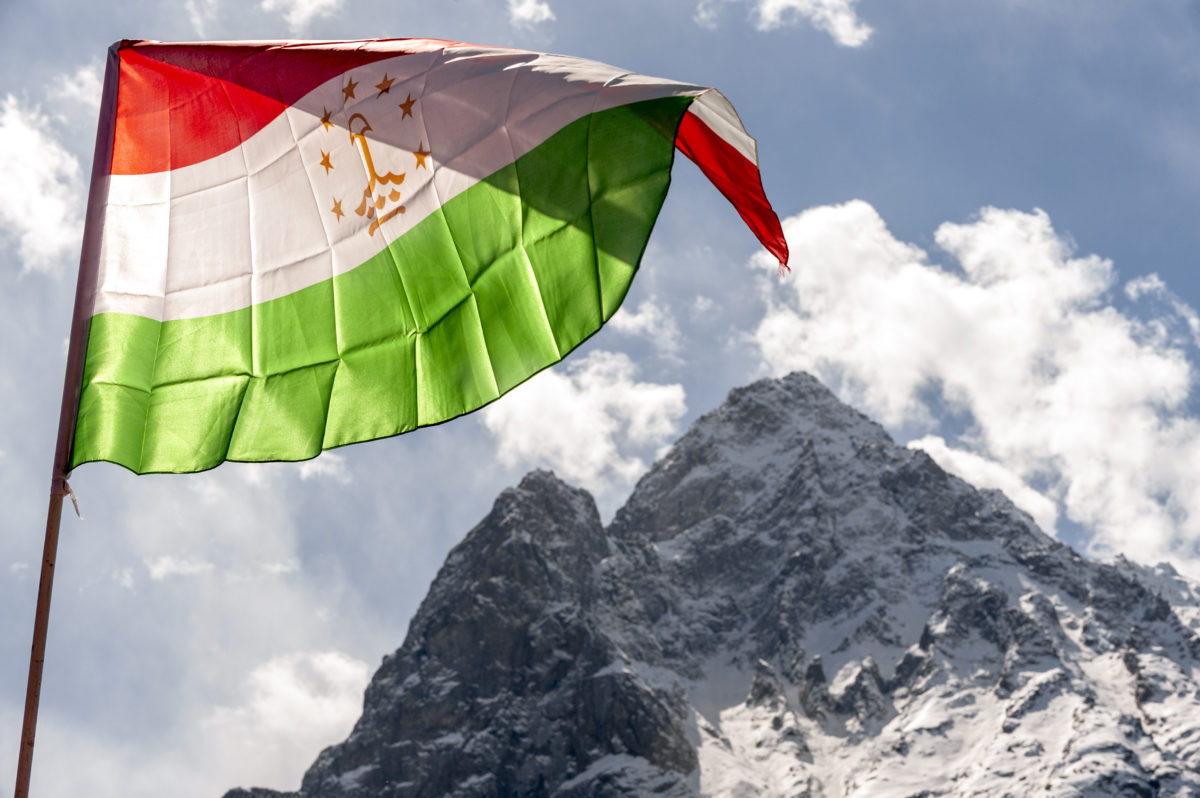
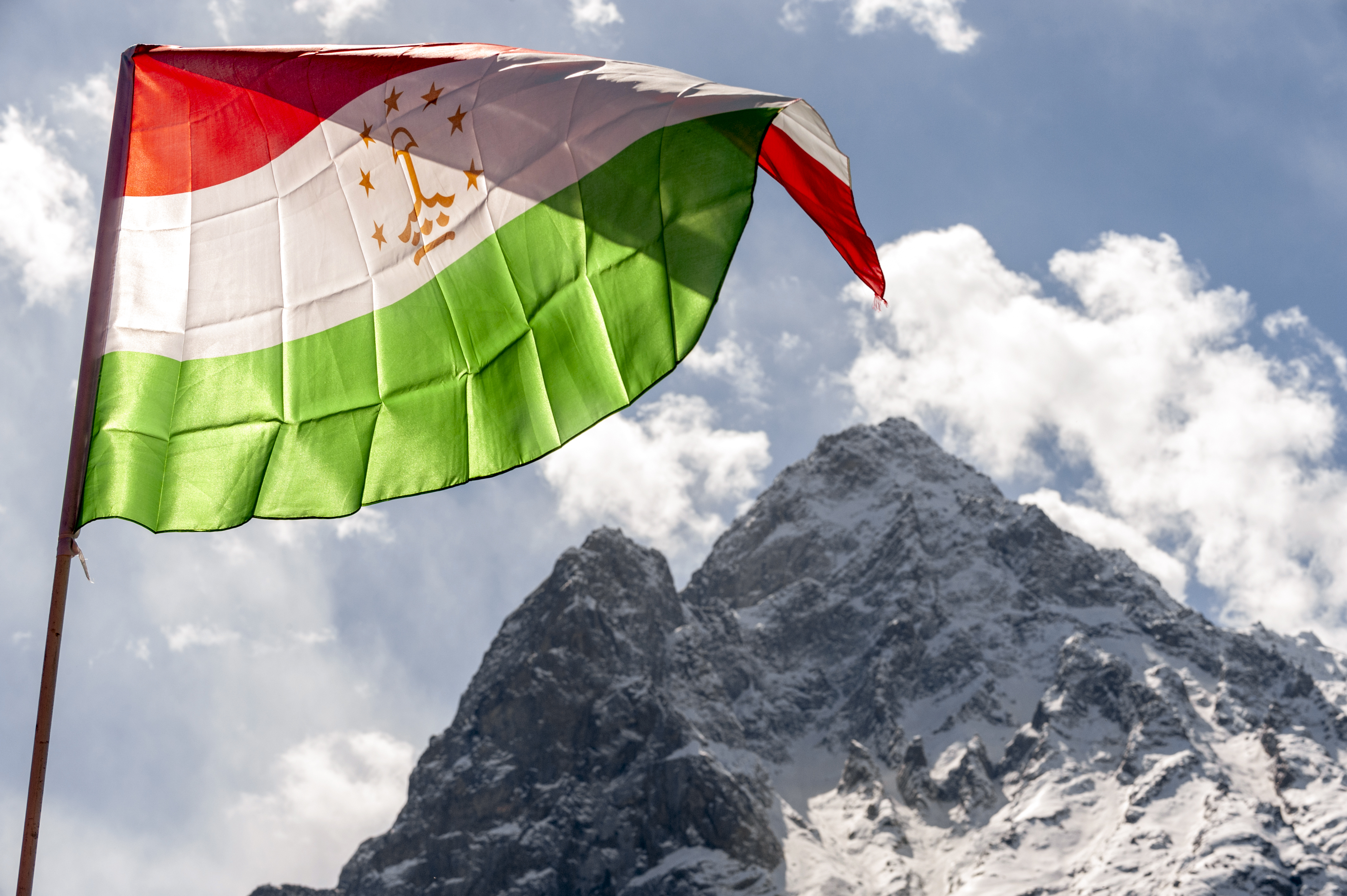
A flag of Tajikistan flies in front of the Pamir Mountains a Navroz festival in Rushon in the Gorno-Badakhshan region. Navroz, the Persian New Year, begins the first day of spring. The people celebrate this holiday for several days with festivals and other activities, hoping for a fruitful upcoming year.

Download Options
Small Low resolution for screen
Large High resolution for print
Usage Rights & Citation:

You are free to share and adapt IMB photos. You must give appropriate credit to IMB in a reasonable manner, but not in a way that suggests the organization endorses you or your use. You may not use the material for commercial purposes. Read more

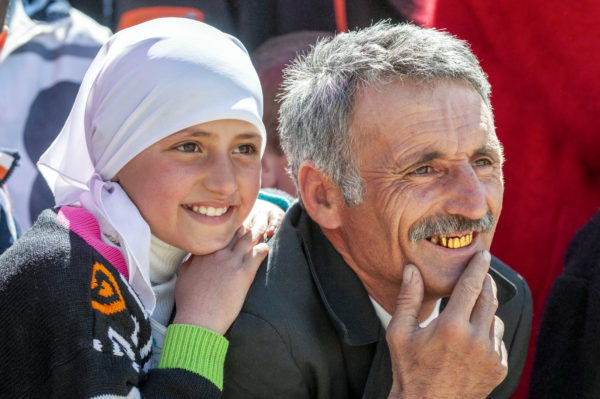
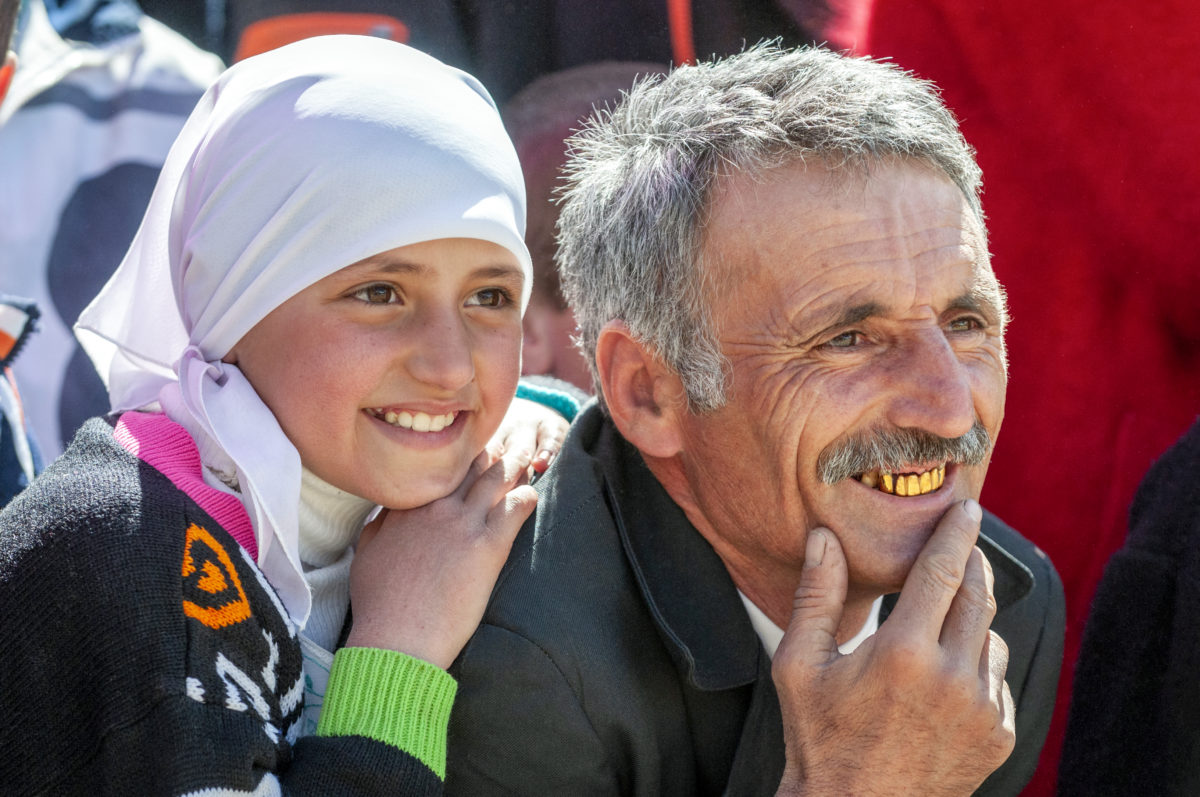
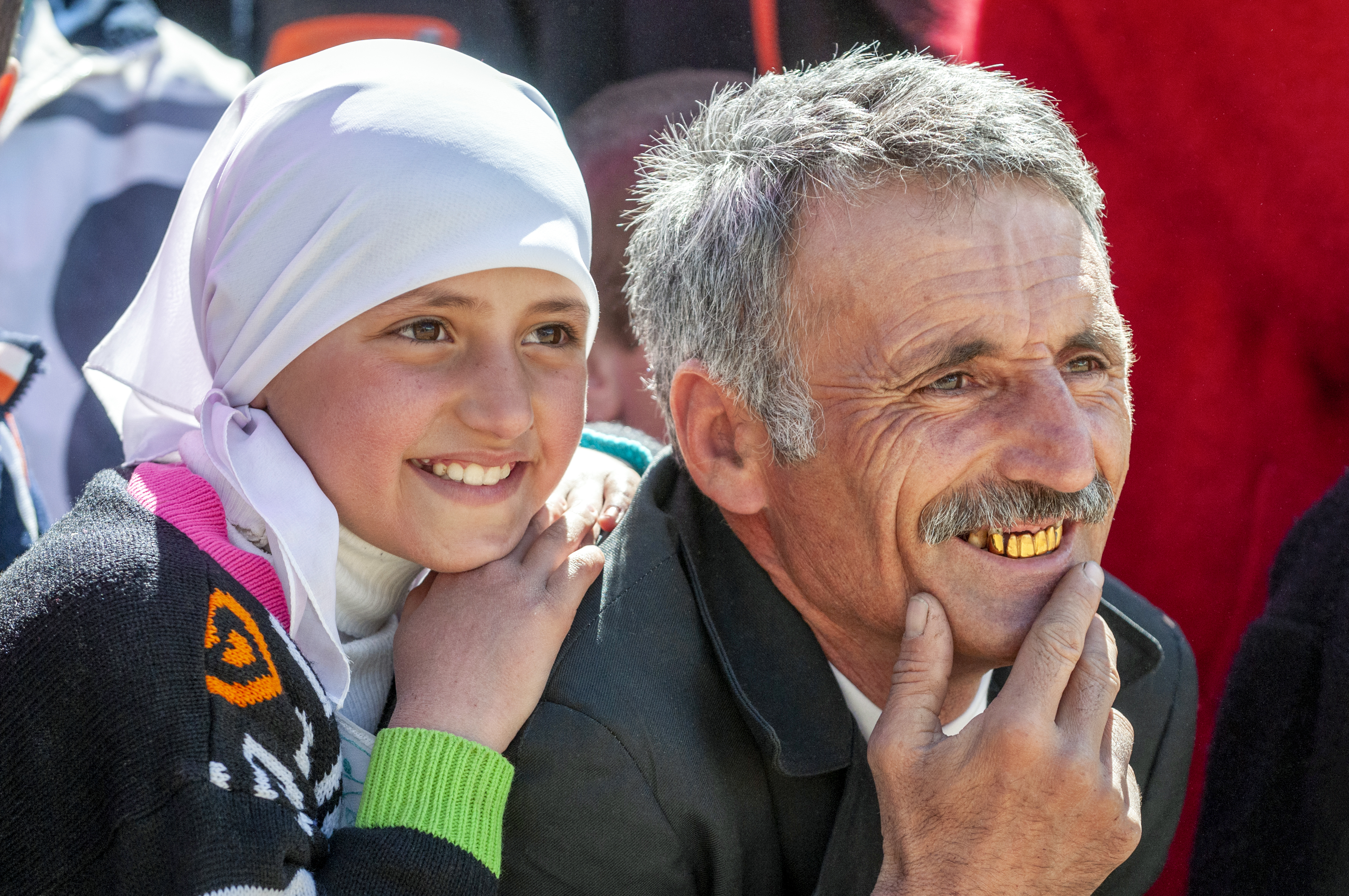
A portrait of a Pamiri girl and her father smiling as she rests her head on her father’s shoulders as they both watch the festivities during a Navroz festival in Rushon in the Gorno-Badakhshan region. Navroz, the Persian New Year, begins the first day of spring. The people celebrate this holiday for several days with festivals and other activities, hoping for a fruitful upcoming year.

Download Options
Small Low resolution for screen
Large High resolution for print
Collection: Central Asia
Usage Rights & Citation:

You are free to share and adapt IMB photos. You must give appropriate credit to IMB in a reasonable manner, but not in a way that suggests the organization endorses you or your use. You may not use the material for commercial purposes. Read more

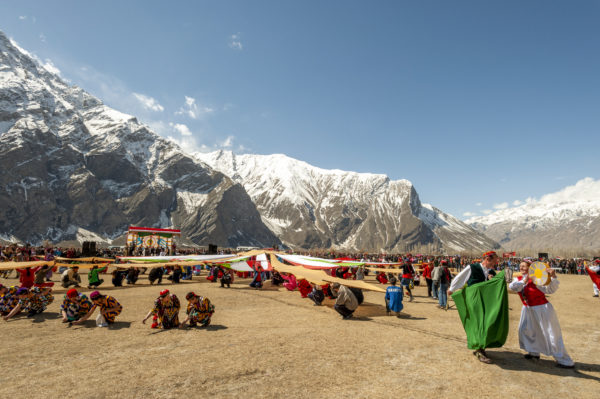
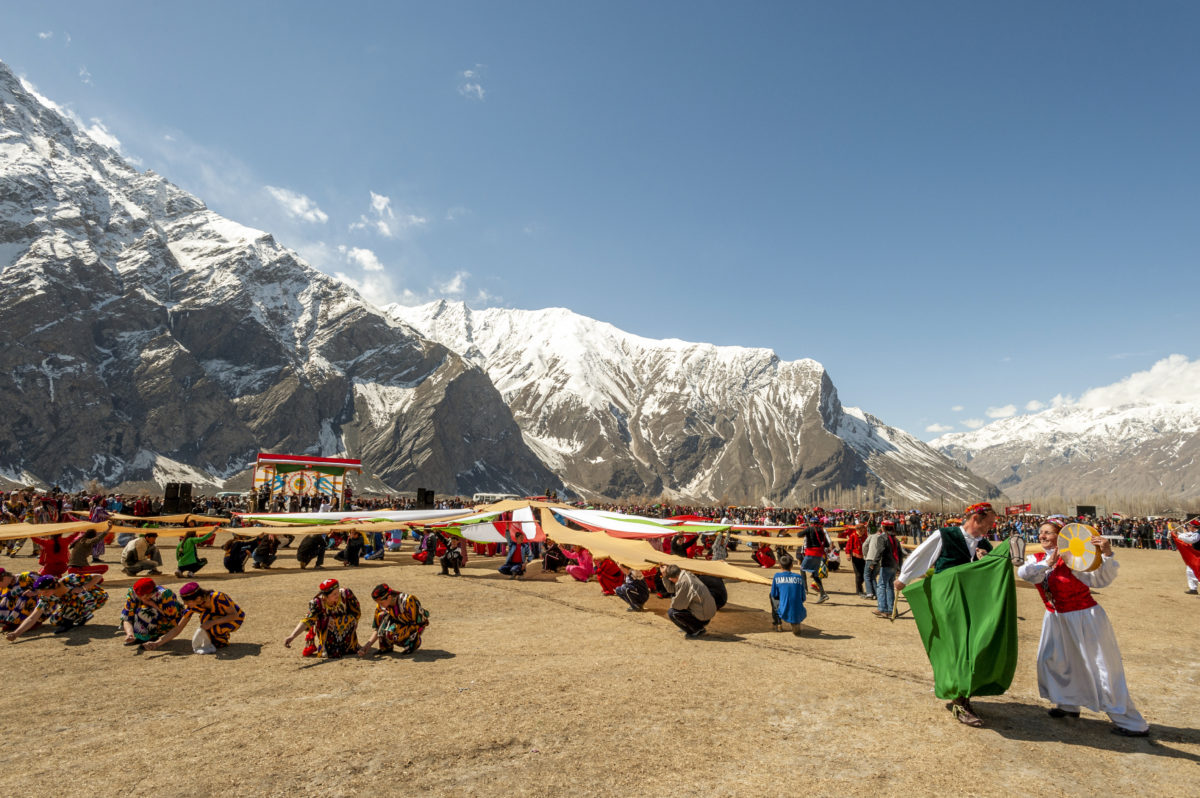
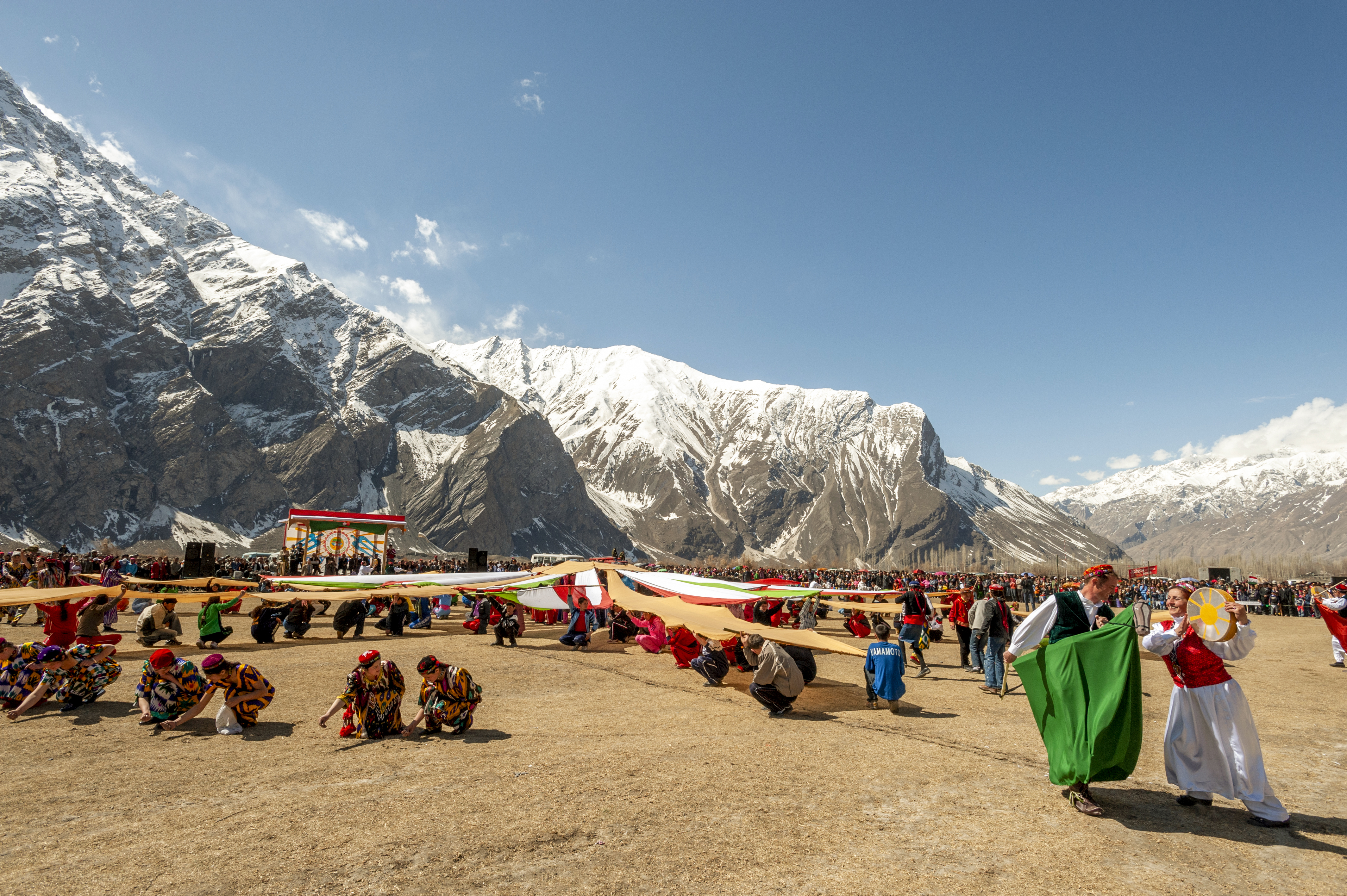
Pamiri people perform a dance, which symbolizes the coming of spring, during a Navroz festival in Rushon in the Gorno-Badakhshan region. Navroz, the Persian New Year, begins the first day of spring. The people celebrate this holiday for several days with festivals and other activities, hoping for a fruitful upcoming year.

Download Options
Small Low resolution for screen
Large High resolution for print
Usage Rights & Citation:

You are free to share and adapt IMB photos. You must give appropriate credit to IMB in a reasonable manner, but not in a way that suggests the organization endorses you or your use. You may not use the material for commercial purposes. Read more

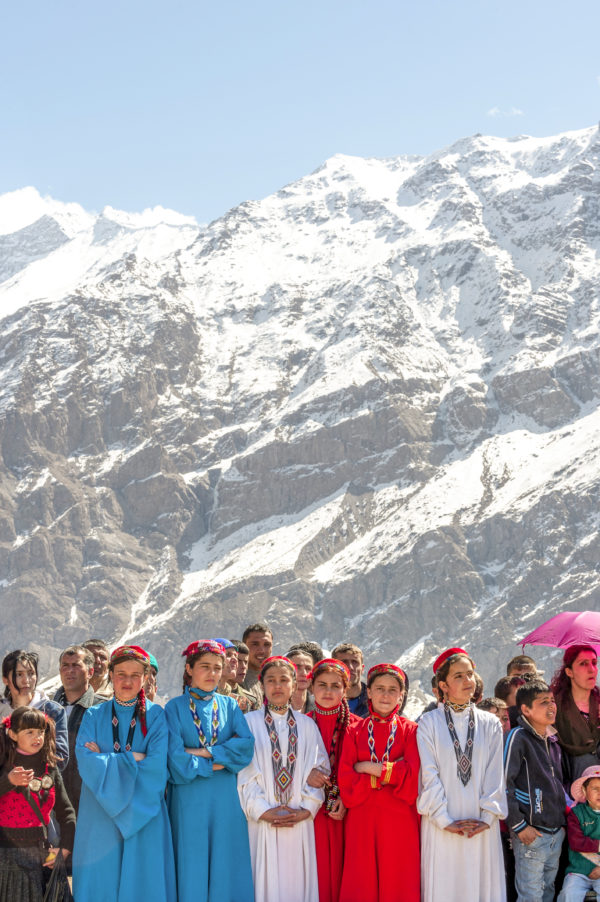
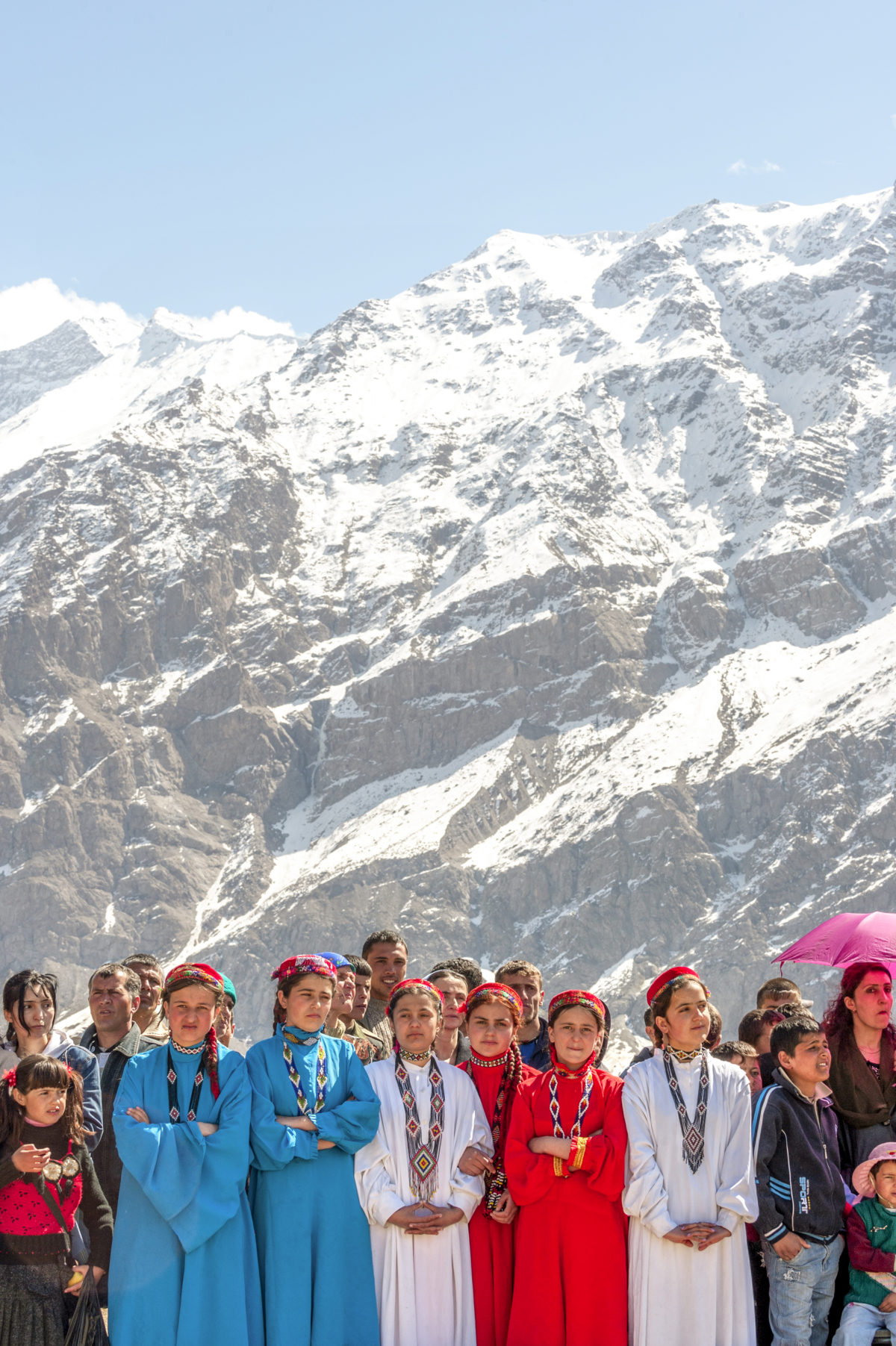
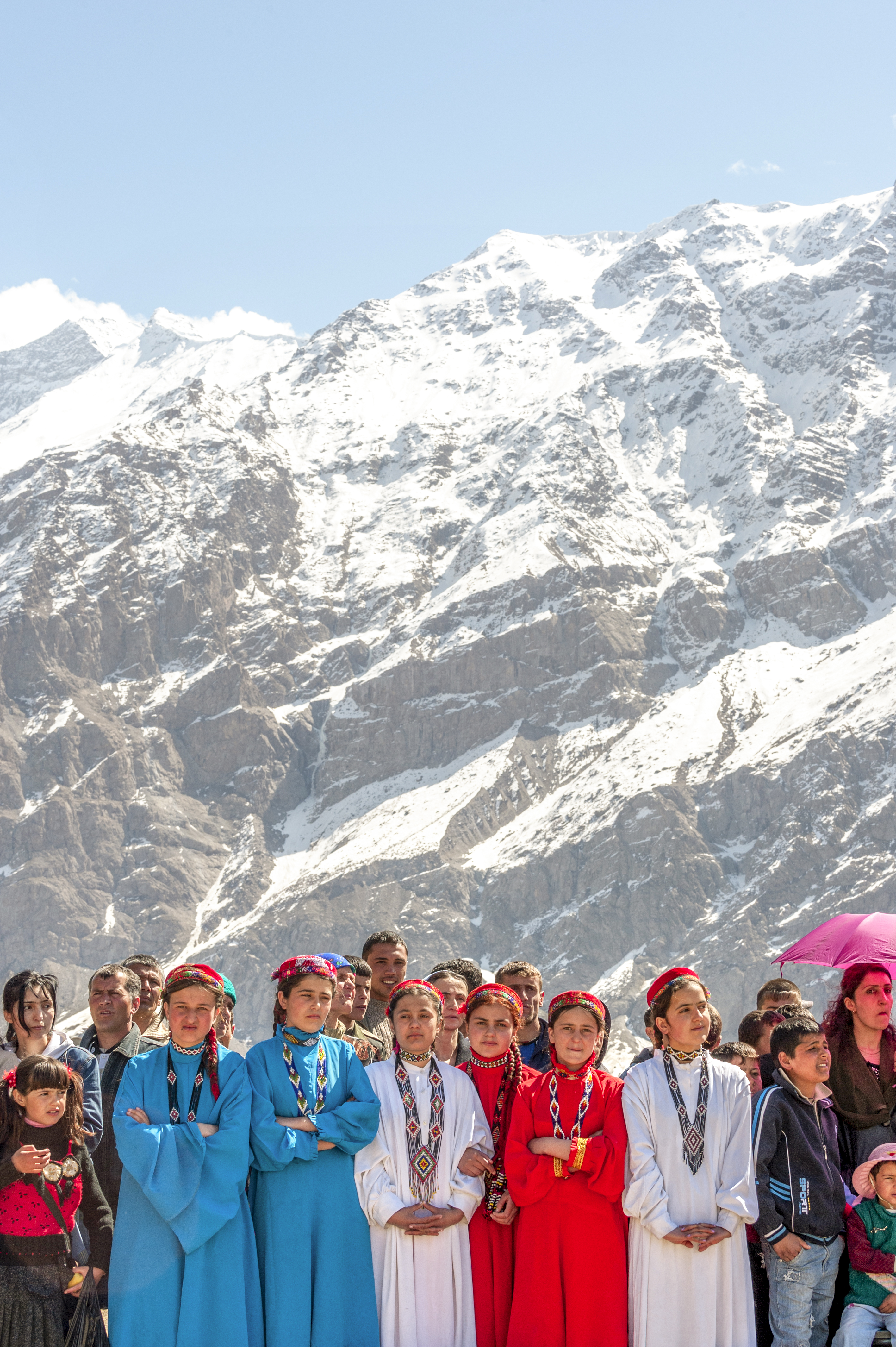
Pamiri girls in traditional dress watch the festivities during a Navroz festival in Rushon in the Gorno-Badakhshan region, with the Pamir Mountains towering in the background. Navroz, the Persian New Year, begins the first day of spring. The people celebrate this holiday for several days with festivals and other activities, hoping for a fruitful upcoming year.

Download Options
Small Low resolution for screen
Large High resolution for print
Usage Rights & Citation:

You are free to share and adapt IMB photos. You must give appropriate credit to IMB in a reasonable manner, but not in a way that suggests the organization endorses you or your use. You may not use the material for commercial purposes. Read more

Loading

Get IMB updates to your inbox.